Hermann Hesse on Trees
Hermann Hesse is remembered for novels about spiritual searching, divided identities, and the journey toward an authentic life. To understand Hermann Hesse on trees, however, we must look beyond his human characters. Forests, gardens, mountains, rivers, and especially trees repeatedly become sources of reflection in his prose, poetry, letters, and paintings.
For Hesse, a tree was never merely part of the background. It was a living presence: rooted yet reaching, silent yet expressive, wounded yet still capable of growth. His reflections bring together many of his central concerns—individuality, patience, suffering, renewal, and the search for an inner home. They remain meaningful for readers seeking a slower and more attentive relationship with nature.
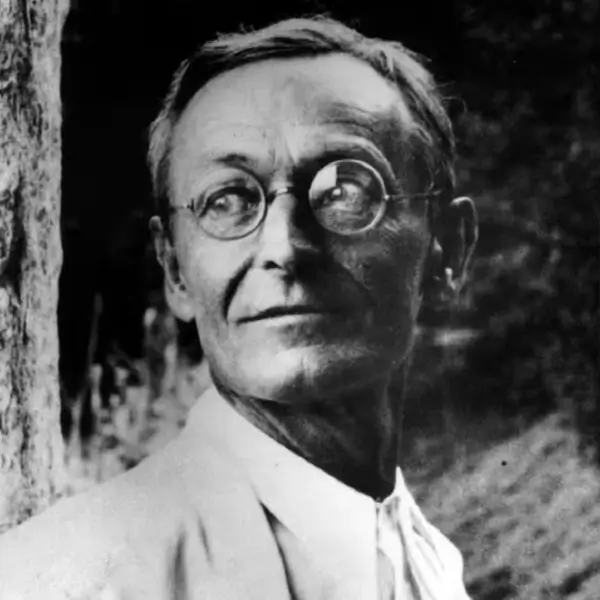
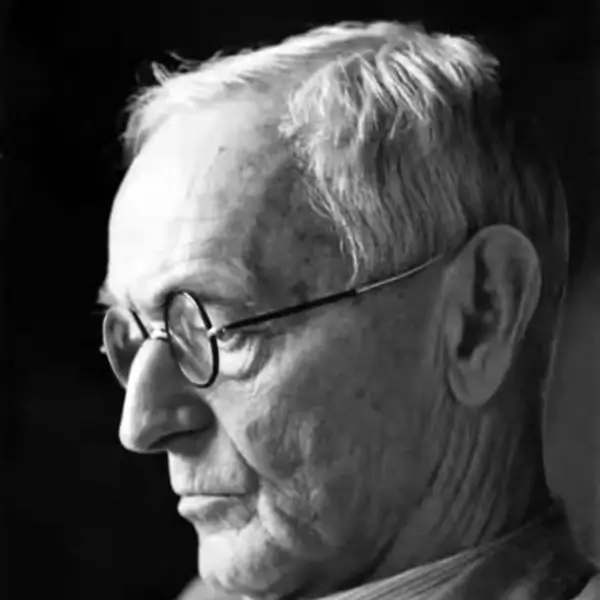
Who Was Hermann Hesse?
Hermann Hesse was born in Calw, Germany, in 1877 and later became a Swiss citizen. A poet, essayist, novelist, and watercolor painter, he created such works as Demian, Siddhartha, Steppenwolf, and The Glass Bead Game. In 1946, he received the Nobel Prize in Literature.
Across these works, Hesse explored how a person might become whole without surrendering individuality. His characters often leave familiar systems and learn to trust direct experience. Nature belongs to this journey: it offers forms and rhythms through which life can be understood differently.
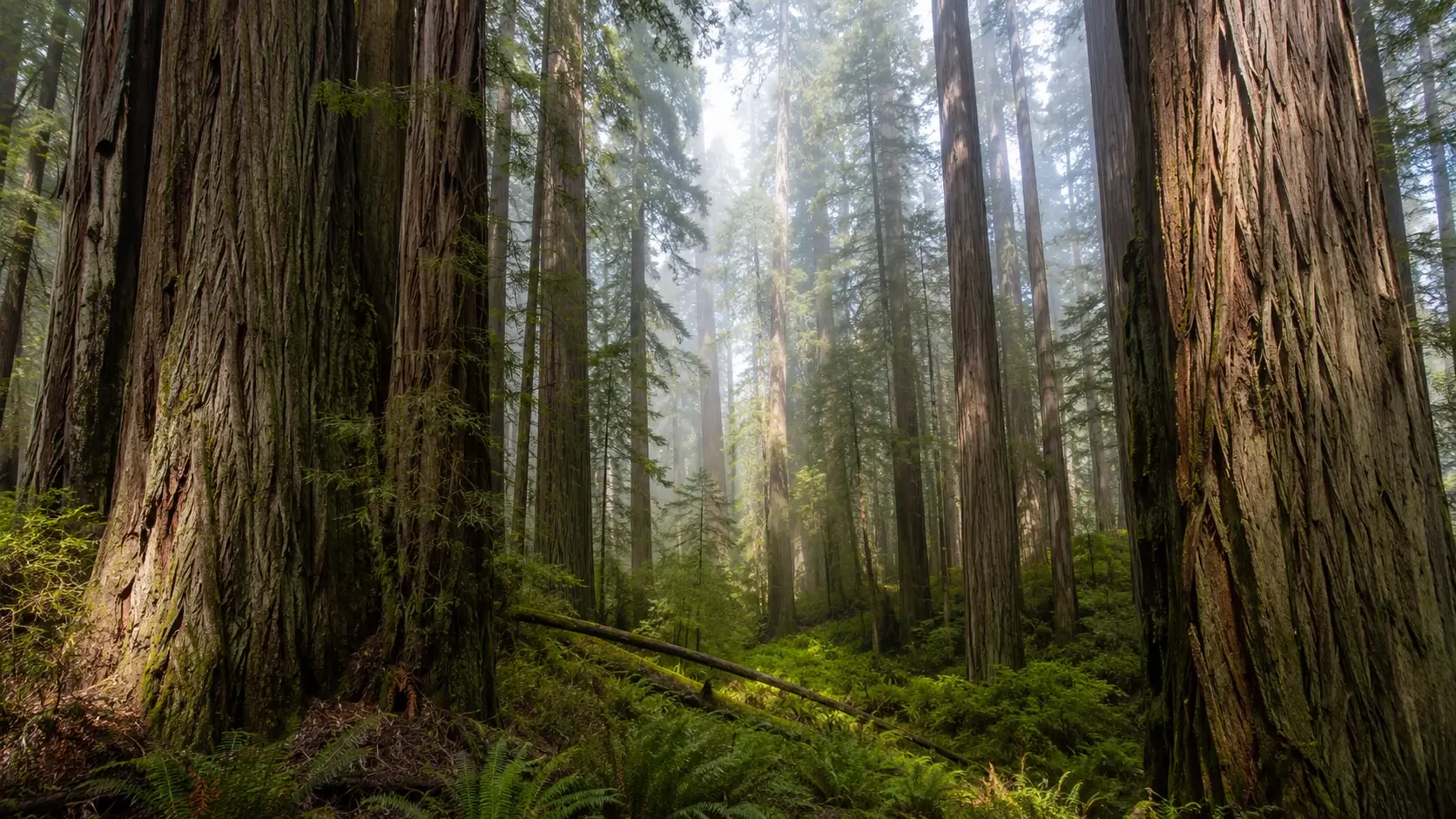
His fascination with trees also had a geographical foundation. Hesse grew up near the Black Forest and spent his last decades in Montagnola, in the Swiss canton of Ticino. These landscapes gave him a language for thinking about human development.
Nature as a Place of Return
Hesse did not present nature as a paradise where every problem disappears. During periods of upheaval, walking, gardening, and painting landscapes helped him observe the world with renewed attention. Nature offered distance from social noise while returning him to color, texture, weather, and season.
In 1916, during psychotherapy and a severe personal crisis, Hesse began to paint. After moving to Ticino in 1919, he created watercolor landscapes with remarkable energy. The Hermann Hesse Museum’s account of his painting records images of vineyards, woods, villages, churches, and rocky cellars inspired by his excursions. Painting did not replace writing; it became another way to pay attention.
His relationship with nature was therefore not a vague rejection of civilization but a practice of seeing life before turning it into a theory.
Why Hermann Hesse Called Trees “Sanctuaries”
The best-known expression of Hermann Hesse’s tree philosophy appears in his 1920 collection Wandering: Notes and Sketches. There he calls trees “sanctuaries” and presents them as powerful teachers. Their lesson is contained not in rules or arguments but in the way they live.
A tree joins opposite directions without being divided by them. Its roots enter dark soil while its crown opens to light and air. It remains in one place but is always changing, responding to drought, wind, injury, heat, and winter without abandoning its essential form. For Hesse, it is a visible image of inner coherence.
The lesson is not literal imitation. The tree receives the conditions of its life, works within them, and develops a form no other tree can reproduce exactly. Hesse located holiness not in a life without damage, but in a life faithfully expressing its own nature.
Readers interested in practicing this kind of attention can continue with these mindful tree connection methods, which translate observation into a simple reflective practice without treating nature as a medical promise.
Trees as Models of Authentic Growth
One of Hesse’s most important ideas is that every living being carries an inner direction. Under the right conditions, a seed unfolds the possibility already held within it. This organic image challenges a life shaped only by conformity, reputation, or other people’s expectations.
Authentic growth is not effortless. A tree must establish roots, reach light, repair damage, and survive changing seasons. Its freedom exists within necessity. Likewise, individuality is not impulsively doing whatever one wants; it is the slow formation of a life that expresses its deepest structure.
That idea connects naturally with the image of life as a growing tree: roots represent guiding principles, the trunk provides structure, branches turn intention into action, and fruit reveals what sustained growth can eventually produce.
What Tree Rings, Scars, and Seasons Reveal
Hesse was deeply interested in the record inside a tree. Its rings disclose years of abundance and restriction, while scars preserve evidence of storms, injury, and recovery. The wood does not separate beauty from hardship; both enter the same structure.
This gives Hesse’s view of resilience unusual depth. Strength is not the absence of suffering, nor is maturity a return to an untouched state. A narrow ring is not erased by a wider one; each belongs to the tree’s complete history.
For human beings, the comparison suggests a more compassionate understanding of personal history. Experiences that changed us cannot be removed, but they can be integrated. Time may not erase a wound, yet it can place that wound inside a larger pattern.
Solitude Without Separation
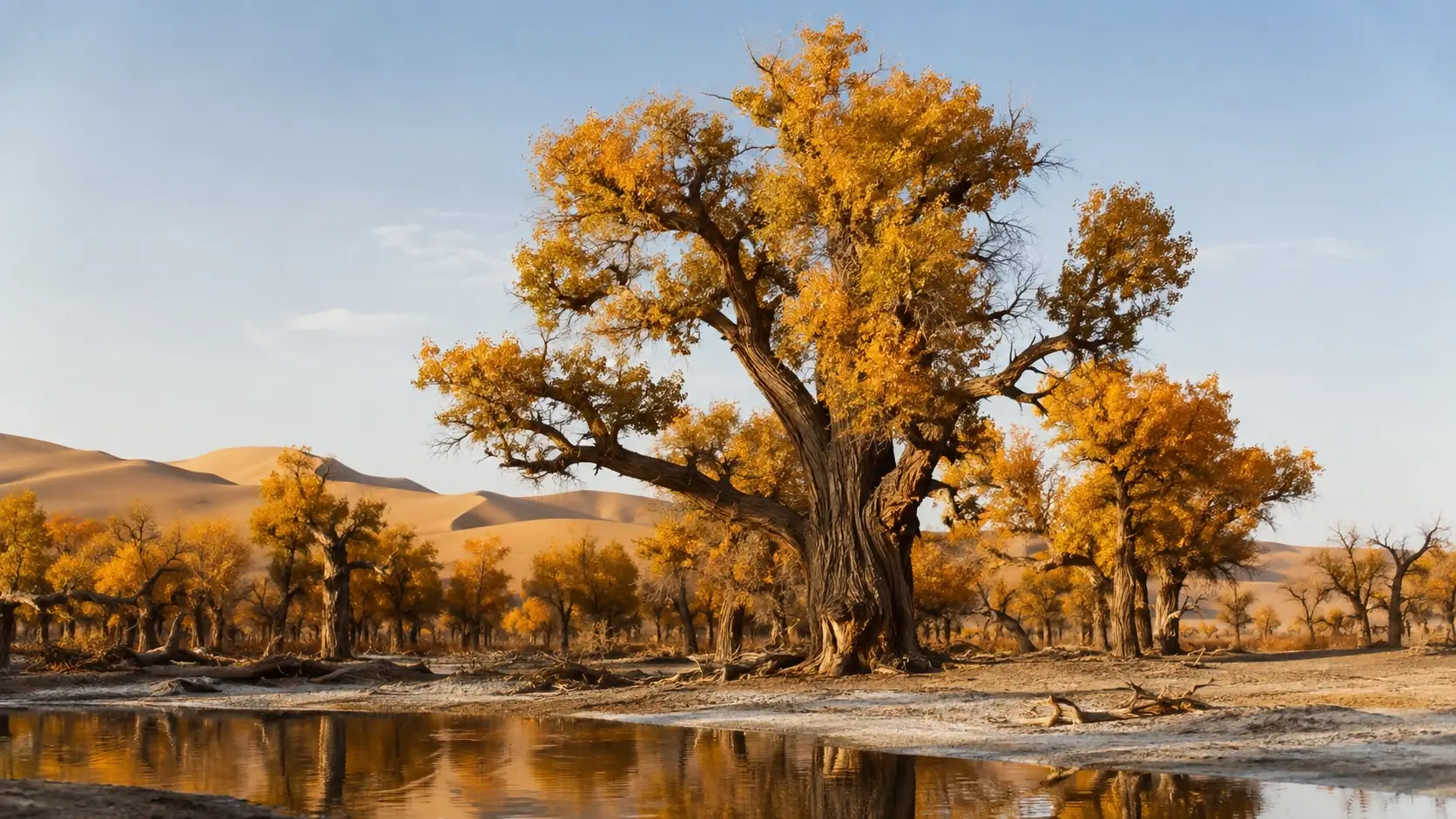
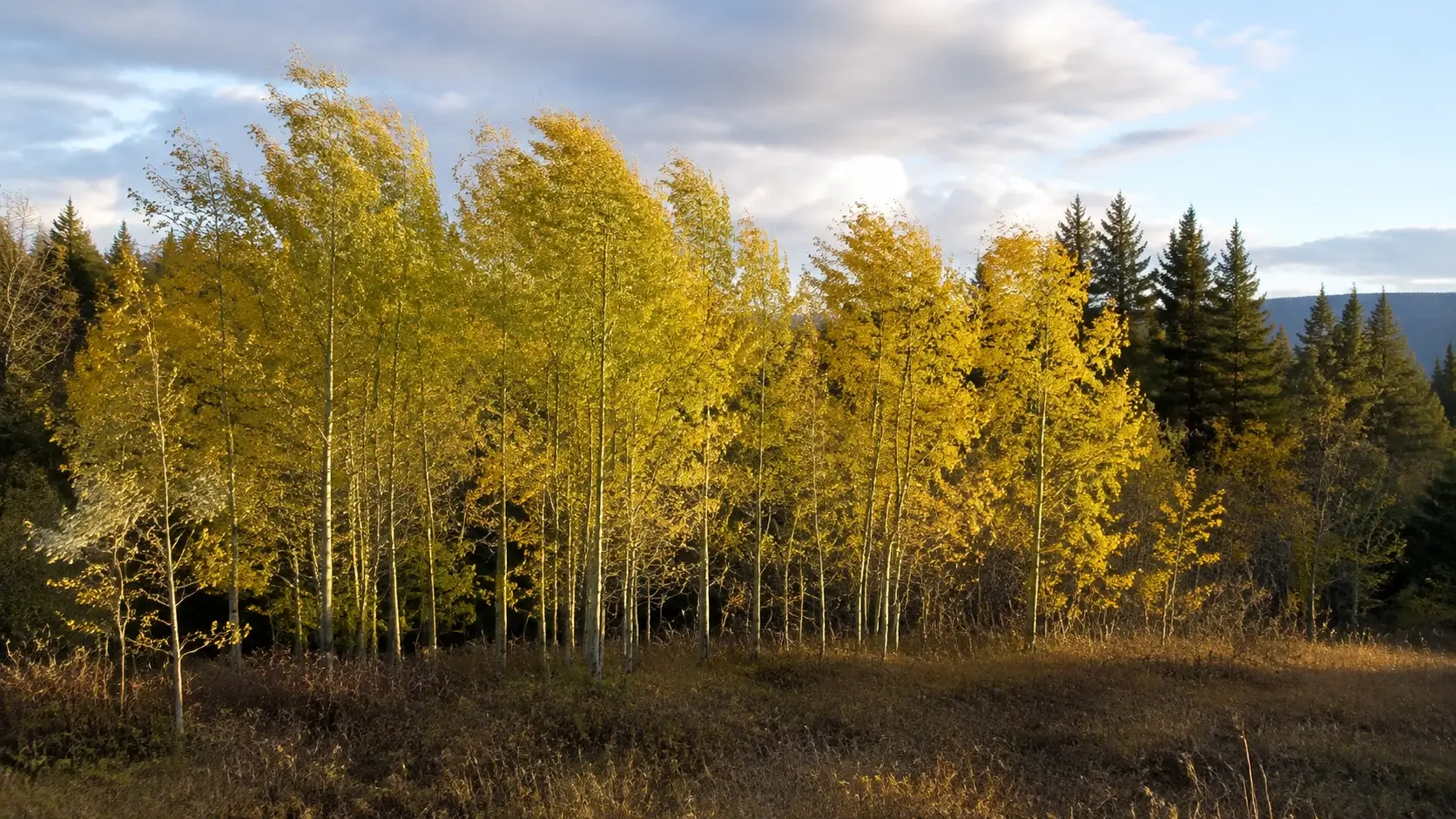
Hesse admired forests and solitary trees. A grove expresses kinship—separate lives sharing soil, weather, and light—while a tree standing alone expresses another kind of dignity.
This helps explain why solitude appears so often in Hesse’s writing. He did not simply celebrate isolation. Solitude could be painful, but it could also strip away imitation and make genuine relationship possible. Someone who learns to stand alone may return to others with greater honesty.
The tree holds individuality and belonging together. It has its own form yet depends on rain, light, soil, fungi, insects, and the larger landscape. Hesse’s tree invites us to become distinct without imagining that we are self-created.
Learning to Listen to a Tree
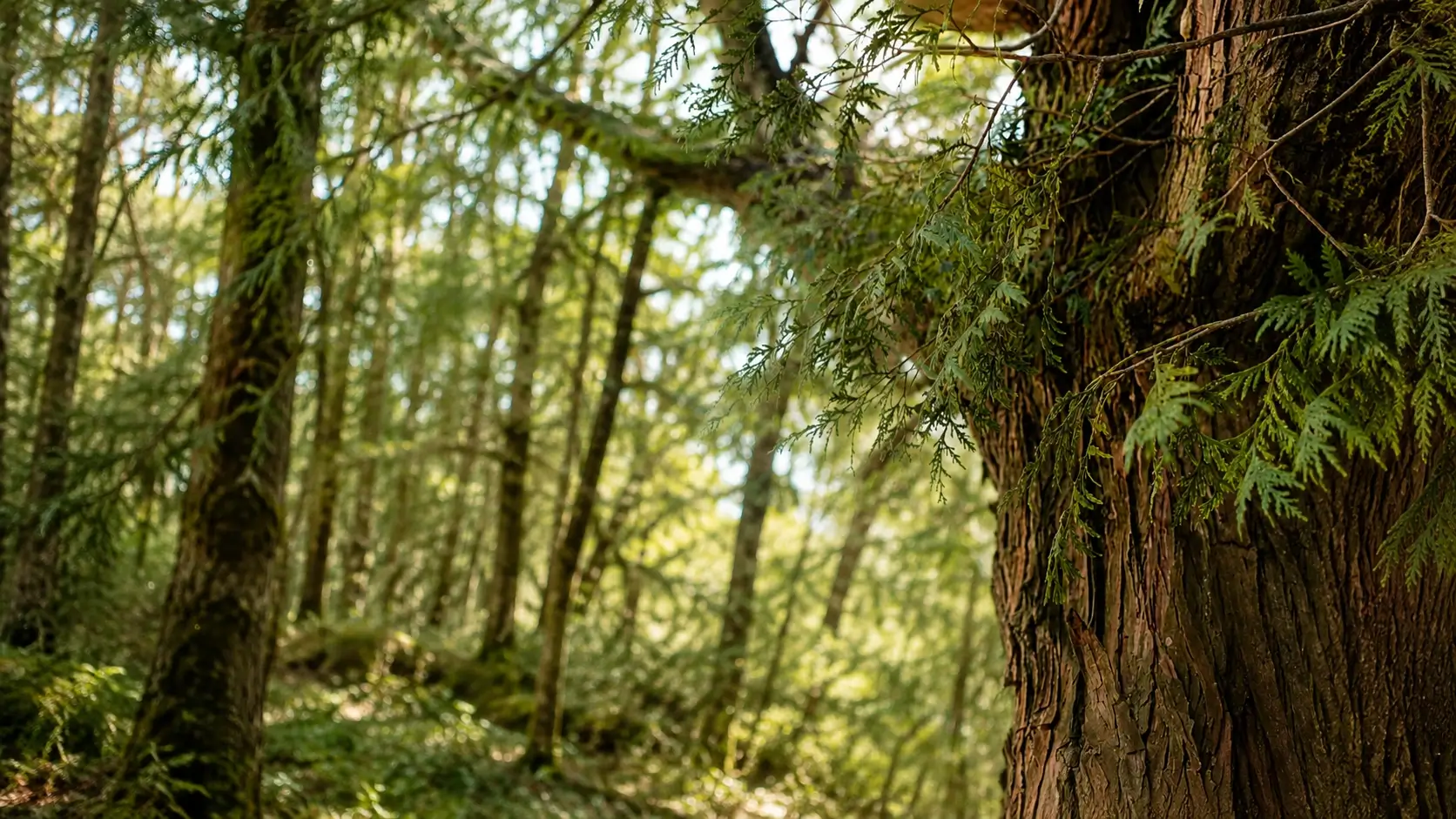
When Hesse writes about listening to trees, he is not claiming that they speak in human sentences. Listening means allowing another form of life to interrupt our usual speed of thought. A tree’s longer timescale changes the questions we are able to ask.
Hesse’s tree asks us to become still enough to experience life before labeling it. It demonstrates trust through continued growth and points away from external approval toward a form of belonging rooted within the self.
This is the deeper meaning of “Trees are sanctuaries.” A sanctuary is not an escape from reality but a place where scattered attention can gather again. Beneath a tree, we remember that not every truth arrives as an explanation.
From Literary Symbol to Living Friendship
Trees were not merely symbols Hesse used at his desk. The Hermann Hesse Museum’s study of trees in his life and work describes the chestnut woods around Montagnola, the trees of Casa Camuzzi, and the plants he cared for at Casa Rossa. He knew individual trees through their leaves, flowers, fruits, and seasonal changes; losing an old tree could feel like losing a friend.
This intimacy crosses different forms. In In the Fog, trees become images of aloneness. In Pictor’s Metamorphoses, transformation into a tree belongs to a search for wholeness. His final poem, The Broken Branch, again uses a tree to reflect human life, while his paintings continue the same attention through color.
The collection Trees: An Anthology of Writings and Paintings brings many of these writings and watercolors together. It shows that the tree was not a passing metaphor but an enduring form through which Hesse understood existence.
Why Hesse’s View of Trees Still Matters
Modern life encourages speed, display, comparison, and constant reaction. Hesse’s trees offer another pattern: become rooted before reaching outward, accept seasons, and let growth take a form appropriate to the life being lived.
His thought also changes the moral meaning of attention. If a tree is only material, its value is measured by what can be taken from it. Encountered as a living presence with a history of its own, it more naturally commands respect. Hesse’s language is poetic, but its consequence is practical: individual lives are harder to treat carelessly than anonymous scenery.
Reflection should lead toward responsibility. Protecting and renewing living landscapes gives admiration a future. Luckytata’s Planting Trees for Tomorrow project connects symbolic appreciation with tangible care.