Life as a Growing Tree
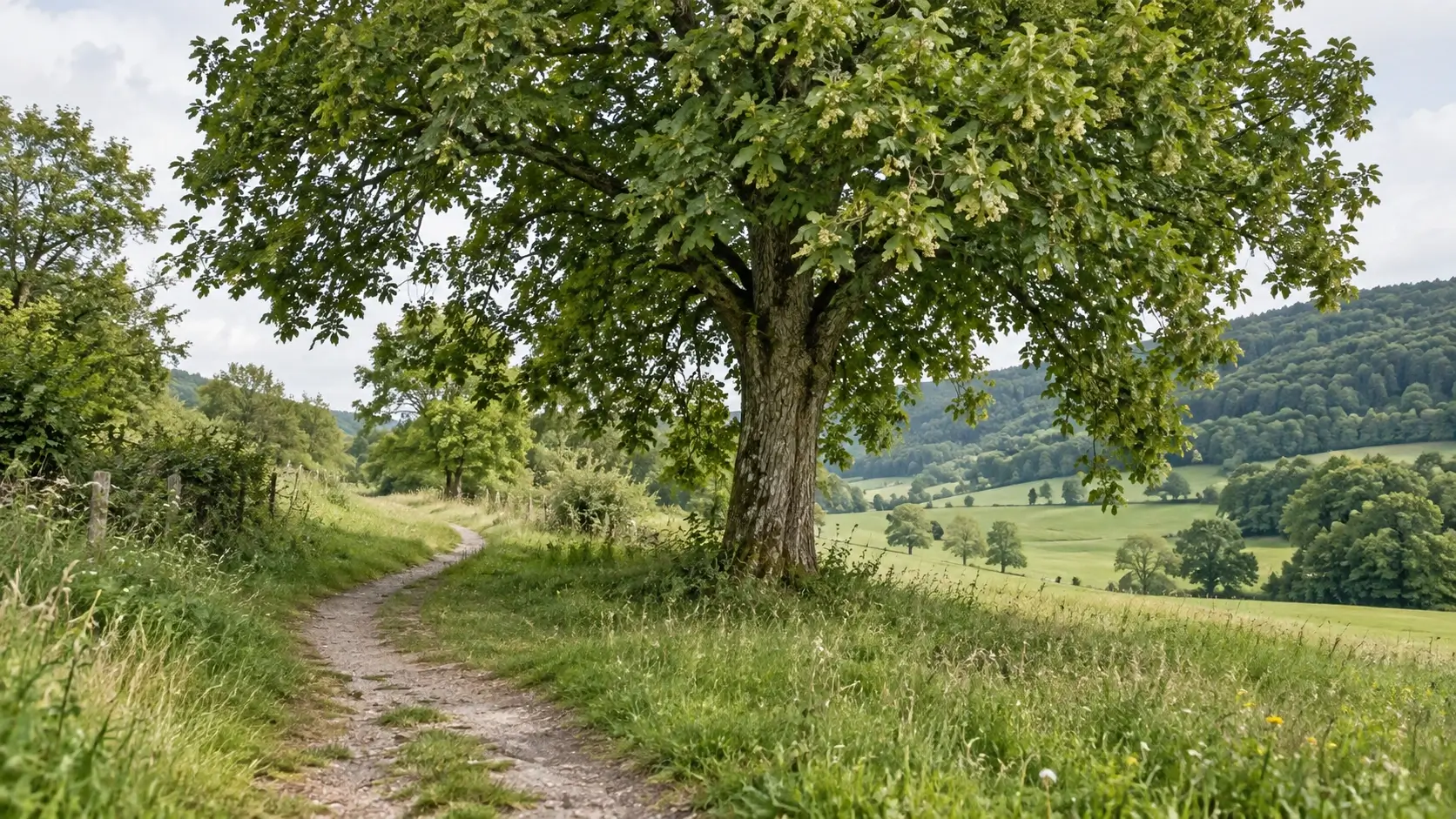
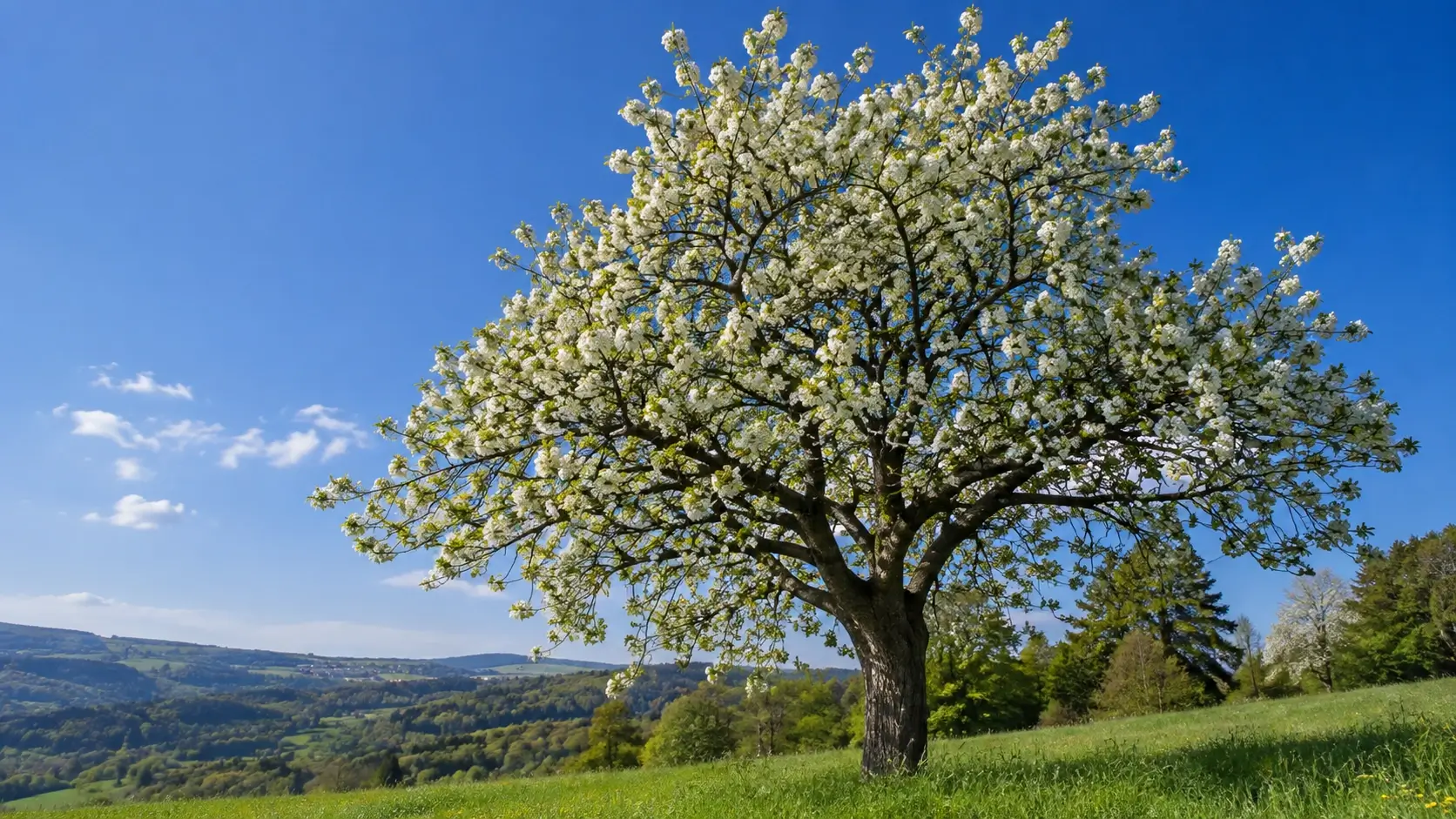
Human life is not a straight road. It is closer to a growing tree.
A tree does not become strong in one day. It begins quietly beneath the surface, building roots before anyone can see its height. Then it forms a trunk, stretches out branches, grows leaves, and finally bears fruit. Every visible result comes from an invisible order. Every achievement has a hidden structure beneath it.
In the same way, a meaningful life is not built only by effort, ambition, or talent. It grows from an inner system. That system can be understood through the ancient Chinese framework of Dao–Fa–Shu–Qi: principles, methods, techniques, and tools. In traditional thinking, “Dao” points to the deeper law, direction, and underlying order of things; modern explanations of Dao–Fa–Shu–Qi often describe Dao as the fundamental principle, Fa as the method or system, Shu as the practical technique, and Qi as the tool or instrument.
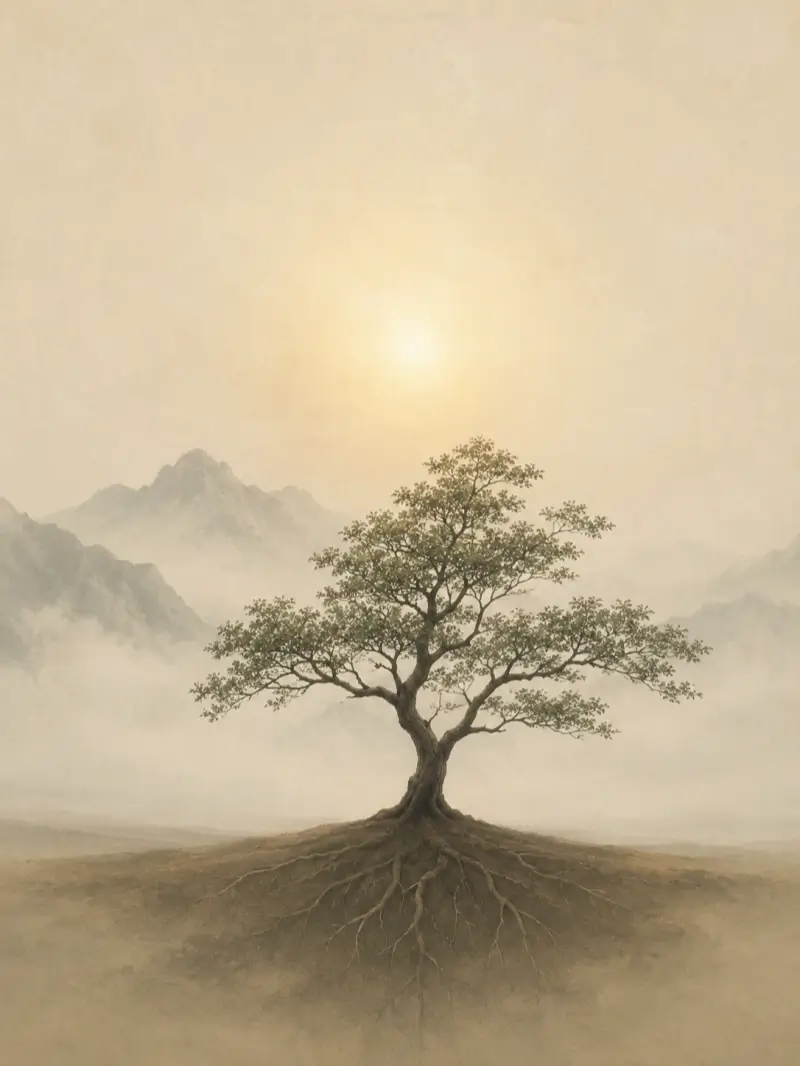
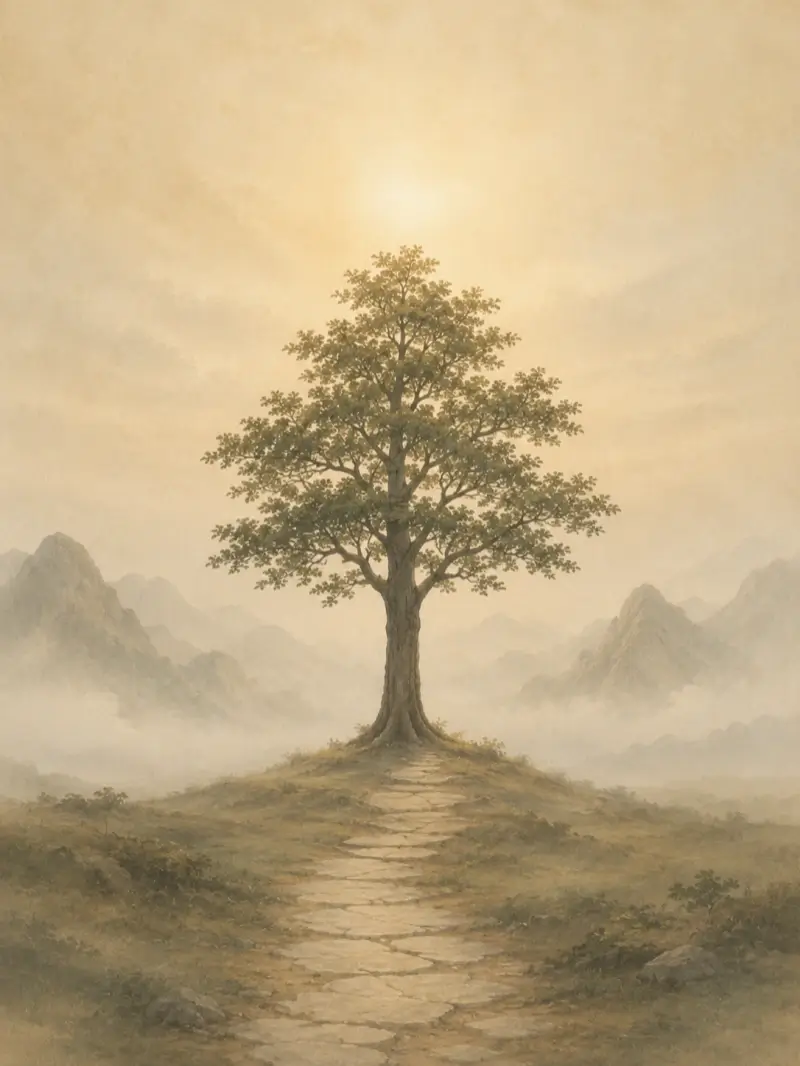
When this framework is placed inside the image of a tree, it becomes a simple but profound map for personal growth:
Roots are Dao — why we move.
The trunk is Fa — which path we follow.
Branches are Shu — how we act.
Leaves are Qi — what we use.
Fruit is Outcome — what we gain.
Why We Move: Roots / Dao
A tree survives because of its roots. The roots are hidden, but they decide everything. They hold the tree in the soil, absorb nourishment, and keep it steady during wind and rain. Without roots, even the most beautiful leaves will not last.
In human life, roots are Dao.
Dao is not simply a goal. A goal can change. Dao is deeper than a plan. A plan can fail. Dao is the inner reason behind movement: your worldview, your sense of meaning, your belief about what matters, and the direction you are willing to grow toward.
This is the first question of life: Why do I move?
Many people work hard, but they do not know why they are working. They chase income, recognition, relationships, or status, but they never ask whether those things are connected to their deeper direction. Without Dao, action becomes reaction. Life becomes a series of tasks instead of a meaningful journey.
Roots do not shout. They do not compete with branches or leaves. But they silently decide the height of the tree. The same is true for a person’s fundamental principles. A person with deep roots does not need to be pushed by every trend. They are not easily shaken by temporary failure or temporary success. They know where their nourishment comes from.
Your Dao may be inner peace. It may be freedom. It may be creation, service, wisdom, love, protection, faith, responsibility, or growth. The exact word is less important than the clarity behind it. The deeper question is whether your life is rooted in something that can endure.
When a tree grows roots, much of the work is invisible. The same is true for human development. Reading, reflection, solitude, failure, discipline, and self-questioning may not look impressive from the outside. But these are the underground movements of the soul. They prepare the person before the world sees the result.
A life without roots seeks quick fruit. A life with roots trusts slow growth.
Which Path We Follow: Trunk / Fa
If roots are the reason for growth, the trunk is the structure that carries growth upward.
The trunk gives the tree its form. It connects the hidden roots to the visible branches. It holds the tree together and gives direction to its expansion. Without a trunk, the roots cannot express themselves above the ground.
In human life, the trunk is Fa.
Fa means the path, system, principle, and structure that turn Dao into a way of living. If Dao answers “why,” Fa answers: Which path do I follow?
This is where many people become confused. They may have a dream, a value, or a strong desire, but they do not have a system. They know what they want emotionally, but they have not built the principles that can guide their choices consistently.
For example, if your Dao is freedom, your Fa may include financial discipline, skill-building, simplicity, and long-term independence. If your Dao is wisdom, your Fa may include reading, observation, humility, and careful speech. If your Dao is love, your Fa may include patience, responsibility, listening, and honest communication.
The trunk is not decoration. It is commitment.
A tree trunk grows ring by ring. Each ring records time, pressure, seasons, and survival. Likewise, a person’s Fa is formed through repeated decisions. What you do once may be an impulse. What you do repeatedly becomes a system. What you protect over time becomes your character.
Fa also keeps growth from becoming chaotic. Branches cannot grow in every direction without weakening the tree. Human life is the same. A person cannot say yes to everything and still remain strong. A clear path requires selection. It requires saying no to things that do not belong to your growth.
The more serious your life becomes, the more important Fa becomes. Talent may start the journey, but principles sustain it. Motivation may push you for a short time, but a system carries you through difficult seasons.
If Dao is your inner compass, Fa is your main road.
How We Act: Branches / Shu
Once a tree has roots and a trunk, it begins to extend branches.
Branches reach outward. They explore space. They search for light. They create the visible shape of the tree. Some branches become strong. Some remain small. Some must be cut away so the tree can grow better.
In human life, branches are Shu.
Shu means technique, method, skill, and practical action. It answers the question: How do I act?
A person’s Dao may be noble, and their Fa may be clear, but without Shu, nothing moves. Philosophy must eventually become behavior. Principles must eventually become practice. A tree cannot remain only roots and trunk; it must reach into the world.
Shu is where life becomes concrete.
It is the way you speak in difficult conversations. It is how you manage time. It is how you learn a new skill, handle money, build a business, write, teach, design, negotiate, create, train, heal, or lead. Shu is not abstract wisdom. It is wisdom entering the hands.
This is why personal growth cannot remain only in thought. A person who only reflects but never acts becomes like a tree that refuses to grow branches. The inner life may be rich, but it does not touch the world.
At the same time, Shu must grow from Dao and Fa. If skills are separated from principles, they can become dangerous. A person may become efficient but empty, persuasive but dishonest, capable but directionless. Skills are powerful only when they serve the right root and the right trunk.
Branches also teach flexibility. A tree does not grow in a perfect straight pattern. It adjusts to light, wind, space, and season. Human action must also adapt. The path may be stable, but the method may change. A person who understands Shu does not worship one technique forever. They test, learn, adjust, and refine.
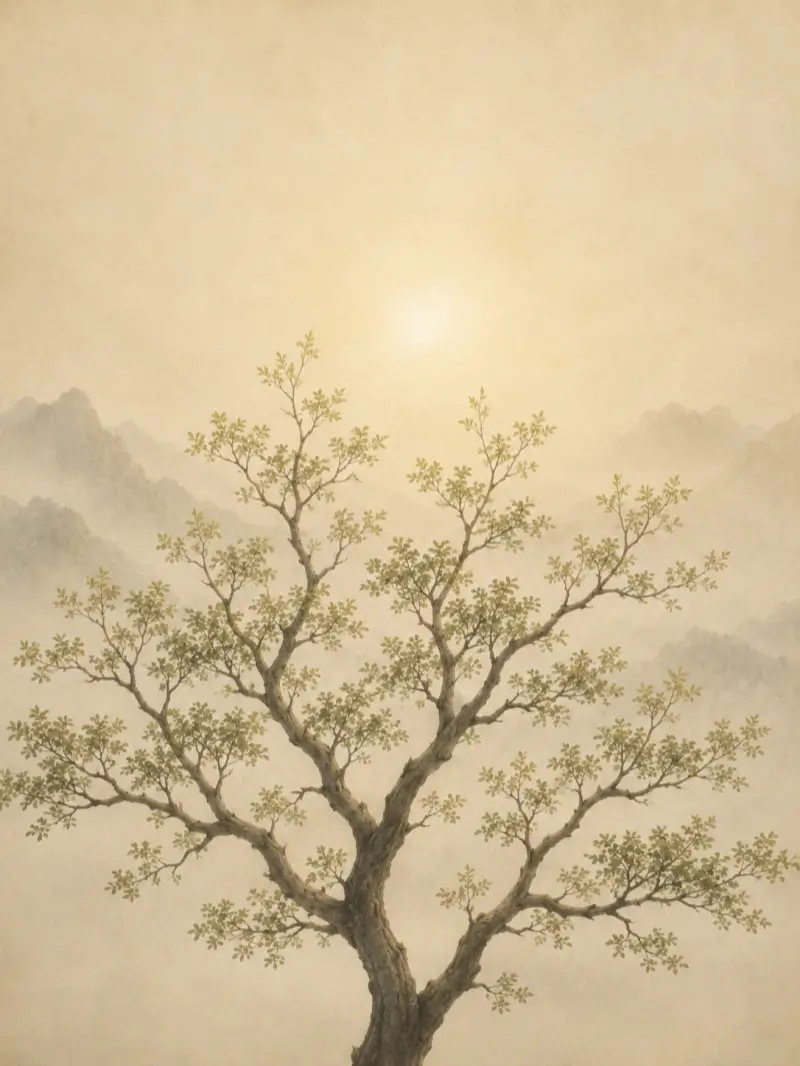
Some branches must be pruned. This is also part of growth. Not every habit, relationship, opportunity, or project deserves to remain. Pruning is not failure; it is intelligent protection of energy.
In life, action reveals truth. What you actually do shows what you truly believe.
What We Use: Leaves / Qi
Leaves are delicate, but they are essential.
They receive sunlight. They exchange with the air. They help the tree transform energy into life. Leaves are not the root of the tree, and they are not the trunk, but without them the tree cannot fully function.
In human life, leaves are Qi — tools, instruments, resources, and execution support.
Qi answers the question: What do we use?
Tools matter. A good tool can increase speed, clarity, and reach. Books, technology, software, notebooks, systems, money, networks, courses, machines, platforms, and environments can all become leaves in the tree of life. They help us gather energy and turn intention into output.
But tools must stay in their proper position.
Modern life often reverses the order. People begin with tools before they understand their purpose. They buy apps before they build discipline. They chase platforms before they clarify their message. They collect information before they know what they are trying to become.
This creates a life full of leaves but without roots.
Qi should serve Shu. Shu should serve Fa. Fa should serve Dao. When the order is right, tools become powerful. When the order is wrong, tools become distractions.
For example, a camera does not make someone an artist. A planner does not make someone disciplined. A website does not make a brand meaningful. A productivity app does not create purpose. These tools only amplify what is already present in the person using them.
Leaves also change with the seasons. Tools should not become identity. What worked yesterday may not work tomorrow. A growing person must be willing to update their instruments while keeping their roots steady.
The wise person does not reject tools. They simply do not worship them.
They know that the value of a tool depends on the clarity of the hand that uses it.
What We Gain: Fruit / Outcome
A tree does not force fruit on the first day.
Fruit comes after roots, trunk, branches, and leaves have worked together for a long time. Fruit is the visible result of invisible order. It is the harvest of alignment.
In human life, fruit is Outcome.
Outcome answers the question: What do we gain?
This includes achievements, wealth, influence, wisdom, relationships, creative work, inner peace, reputation, contribution, and the quiet satisfaction of becoming more complete. But fruit is not only external success. Sometimes the most important fruit is maturity. Sometimes it is resilience. Sometimes it is the ability to remain calm when life changes.
The Tree of Life exercise in narrative therapy often uses fruit to represent achievements or accomplishments that a person feels proud of. This is meaningful because fruit reminds us that growth should eventually become visible in some form. A life cannot remain only intention. It must produce something: a better decision, a deeper relationship, a useful creation, a healed pattern, a stronger character, or a contribution to others.
But fruit should never be separated from the tree.
If someone only wants outcomes without roots, the fruit becomes artificial. If someone only wants achievement without principles, success may become heavy. If someone only wants speed without structure, the harvest may not last.
True fruit carries the taste of the whole tree.
It contains the patience of the roots, the strength of the trunk, the reach of the branches, the work of the leaves, and the timing of the seasons. This is why meaningful success often feels different from shallow success. It is not merely obtained; it is grown.
The deepest outcome of life is not simply what we gain, but what we become while gaining it.
A person who grows through Dao–Fa–Shu–Qi does not only collect results. They become rooted, structured, skillful, equipped, and fruitful. Their life begins to show coherence. Their actions match their values. Their tools support their methods. Their methods serve their path. Their path expresses their deepest reason for being.
This is the beauty of life as a growing tree.
You do not need to become everything at once. You only need to grow in the right order.
First, deepen your roots.
Then strengthen your trunk.
Then extend your branches.
Then open your leaves.
Then allow your fruit to come in season.
A tree does not compare itself to the forest. It grows according to its nature, its soil, its light, and its time. Human life should be the same. The goal is not to become someone else’s tree. The goal is to discover your own Dao, build your own Fa, refine your own Shu, choose your own Qi, and finally bear the fruit that only your life can bear.
That is how a person grows from foundation to achievement.
That is how life becomes not just movement, but meaning.