Why a Good Luck Necklace Makes a Thoughtful Personal Gift
A good luck necklace can hold a wish that is difficult to put into words. It might express encouragement before a new beginning, affection for someone far away, or a personal promise to keep moving forward. Its appeal lies in the relationship between the object, its story, and the person who wears it.
Historical writing about amulets offers a useful starting point for understanding this connection. Museum collections preserve objects that people associated with protection and favorable outcomes. Looking at that history can help you choose a necklace with a meaning you understand, whether you prefer a traditional symbol or a simple wooden pendant.
What a Good Luck Necklace Means
For this guide, a good luck necklace means a necklace chosen to represent a wish for favorable circumstances, protection, or encouragement. That meaning may come from a cultural tradition, a personal inscription, or the circumstances in which it was given.
The same pendant can mean different things to different people. One wearer may connect it with faith; another may think of the friend who gave it to them before a journey. Someone else may simply enjoy having a visible reminder of a goal.
It helps to ask what you want the necklace to express. “I hope this new chapter goes well” is different from “I want to remember where I come from.” Both are valid reasons to wear meaningful jewelry, but they may lead you toward different designs.
How Historical Amulets Help Explain the Tradition
In her essay for The Metropolitan Museum of Art, curator Isabel Stünkel explains that ancient Egyptian amulets were believed to confer beneficial properties. Their perceived power could depend on material, color, shape, inscriptions, and rituals. Many had holes or loops that allowed them to be worn as pendants. These details show how appearance and meaning could work together in a small wearable object. See The Met’s essay on ancient Egyptian amulets.
Annie Thwaite’s research for the Science Museum Group Journal adds an important qualification. Her study of ten objects examines their varied materials, uses, and historical contexts, questioning how collectors and museums have classified them. Treating every unusual object as merely “lucky” can obscure its original purpose. See the Science Museum’s history of amulets.
Applied to a modern good luck necklace, these sources suggest a useful question: what gives this particular piece its meaning? That is an editorial application of the historical material, rather than evidence that a necklace can control events.
Choose a Symbol Whose Story You Understand
A familiar shape may catch your attention before you know anything about its background. Before buying, look for an explanation of the design, especially when it draws on a religious or cultural tradition. Ask whether the seller identifies that tradition clearly and distinguishes inherited symbolism from its own interpretation.
You do not need an elaborate symbol to express a meaningful wish. An engraved phrase, an initial, or a plain pendant associated with an important occasion can be enough. The relevant question is whether its story feels appropriate to you or the intended recipient.
For example, a circular pendant might appeal because you like its balanced appearance. You can personally associate it with continuity without claiming that every culture assigns it that meaning. Keeping personal interpretation separate from historical fact makes the story more honest and more specific.
A good luck necklace should be something you can explain in your own words. If the explanation depends entirely on vague promises from a seller, consider choosing a piece with a clearer connection to your life.
Let the Material Support the Meaning
Material is part of the experience of wearing a necklace. Consider what you enjoy seeing and touching, how the pendant works with your clothes, and whether its care requirements fit your routine.
If you prefer wood, examine photographs that show the grain, edges, and engraving. Look for a named wood species and clear information about the finish. If you prefer metal, check the stated composition, chain details, and whether the surface is plated. A material description should help you understand what you are buying.
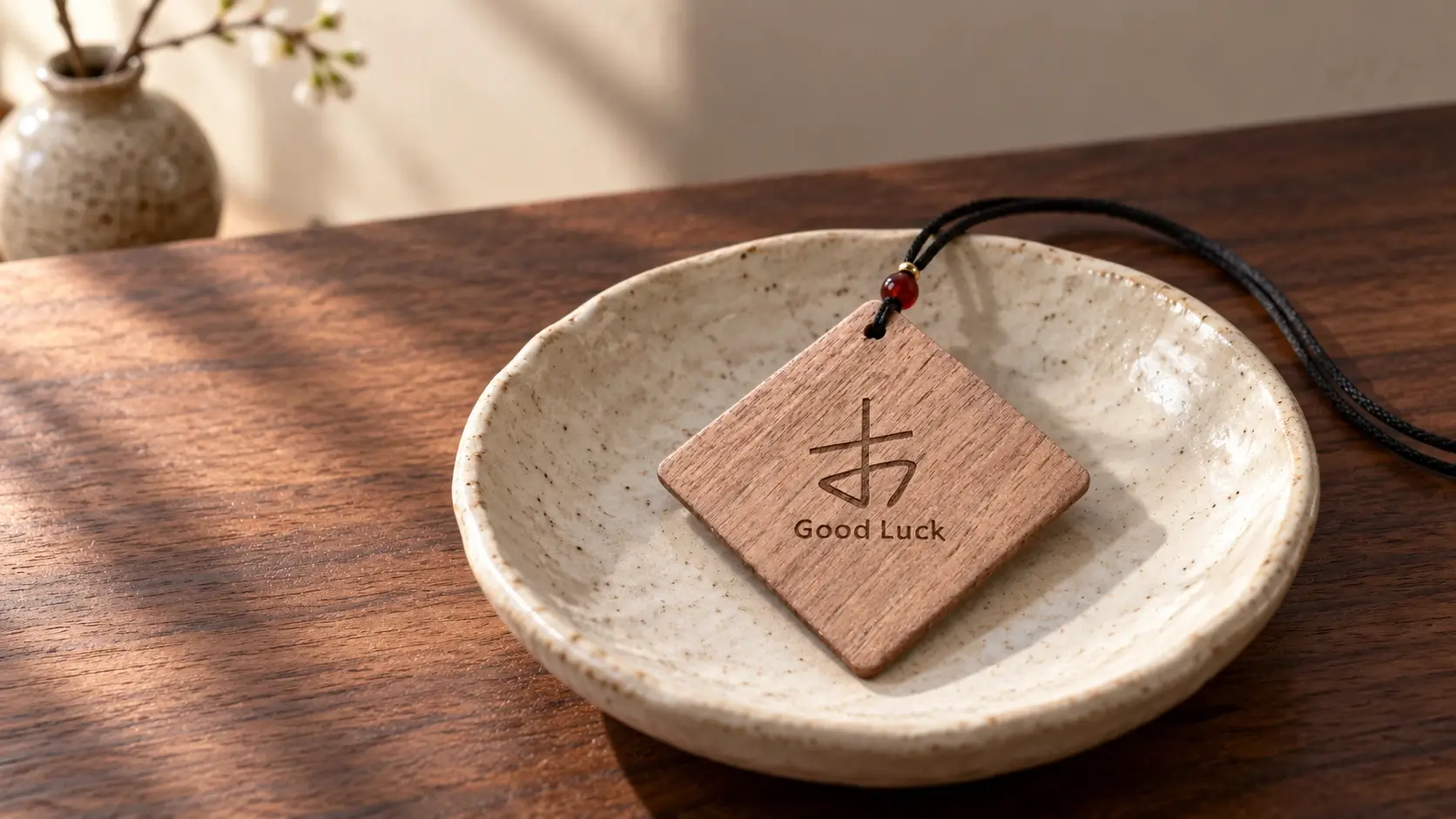
For a wooden good luck necklace, the grain can be part of its visual appeal. You may prefer a prominent pattern or a quieter surface that keeps attention on the inscription. Compare actual dimensions as well as photographs, since a close-up image can make a pendant appear larger than expected.
Treat appearance and symbolism as connected choices. A design that feels natural to wear is more likely to become part of your everyday wardrobe.
Give a Good Luck Necklace With a Specific Wish
The most useful starting point for a gift is the person receiving it. Think about what they are facing, how they dress, and whether they enjoy symbolic jewelry. A meaningful present should leave room for their own interpretation.
For a graduation, you might choose a short message about the road ahead. For someone moving away, a pendant can accompany a note about staying connected. For a new job, the message could recognize the effort that brought them to this moment.
Giving a good luck necklace does not require a grand declaration. A handwritten sentence can make the intention clear: “I chose this to remind you that I am cheering for you.” That tells the recipient why the gift matters without placing expectations on what it must bring.
Check practical details before ordering. Consider the recipient’s preferred necklace length, the size of jewelry they usually wear, and the time available for personalization. A thoughtful message works best when the piece itself also suits them.
Why a Wooden Pendant Can Feel Personal
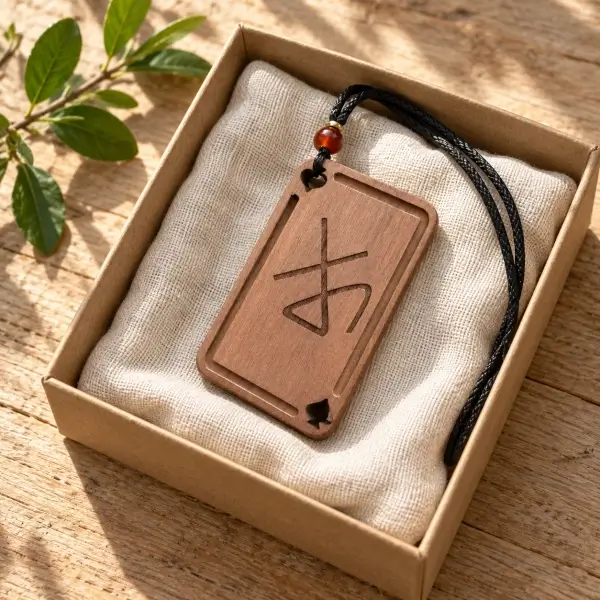
A wooden pendant offers space for a simple shape, visible grain, and a few carefully chosen words. For someone who enjoys forests, gardens, or time outdoors, that combination can connect the necklace with places they already love.
This connection can be entirely personal. The pendant might remind you of walking beneath trees with a family member or taking time away from a busy routine. Those associations do not need an ancient origin to matter.
When choosing a wooden good luck necklace, consider whether you want the message to be visible to others or mainly meaningful to you. A short inscription can communicate directly, while a blank surface allows the memory behind the piece to remain private.
For another perspective on choosing jewelry around personal meaning, read our guide to spiritual necklace meaning. It offers a related starting point if you are still deciding what you want your pendant to represent.
How Luckytata Connects Its Pendants With Trees
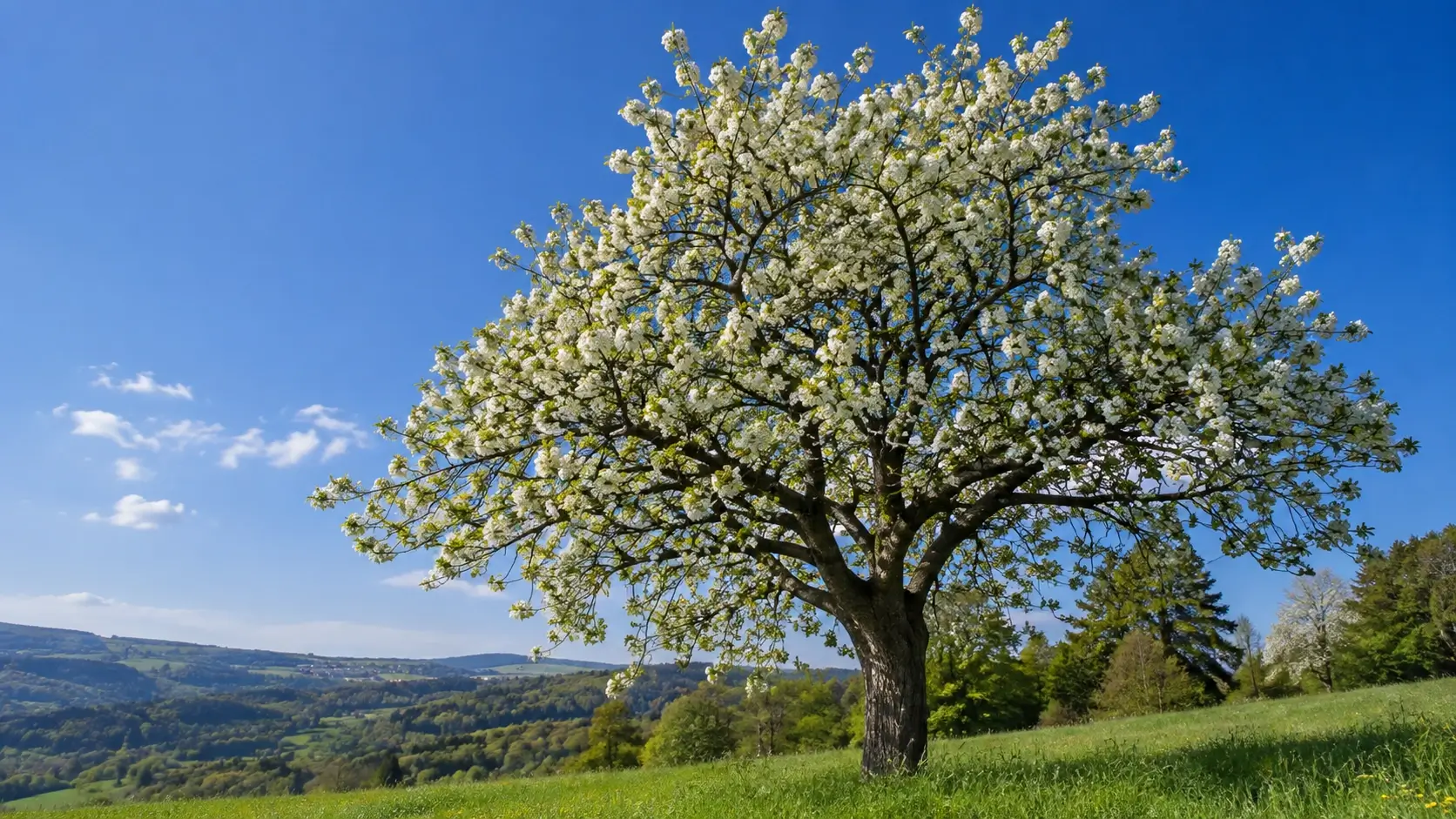
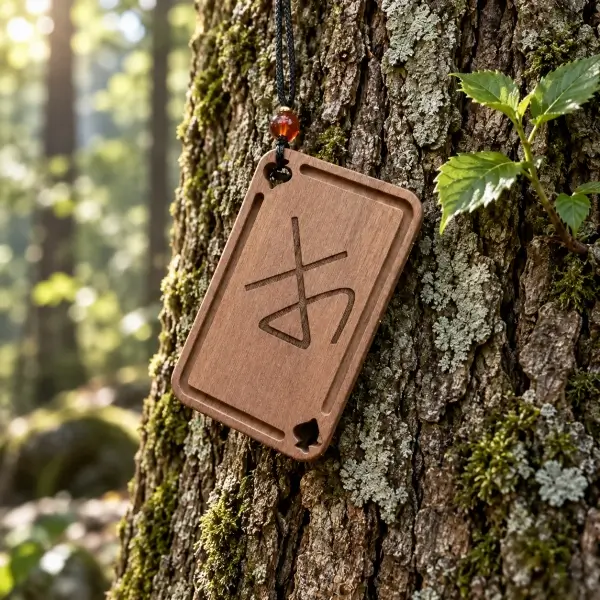
Luckytata’s approach centers on wooden pendants and a symbolic connection with centuries-old trees. According to the Luckytata story, pieces are hung on ancient forest trees as part of the brand’s blessing practice. This is presented here as a brand tradition and an expression of good wishes.
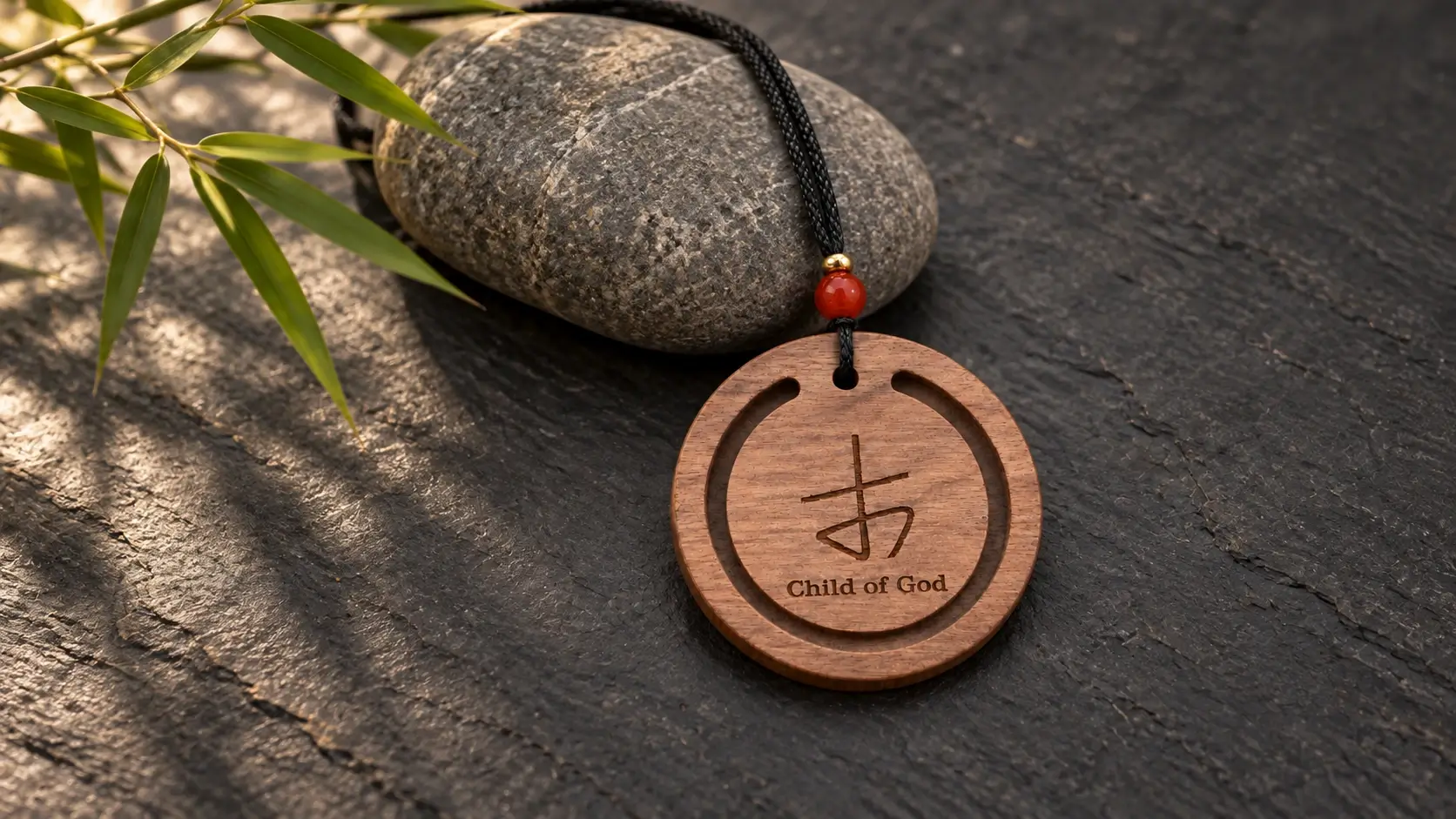
The Luckytata Grooved Circle Pendant product page identifies black walnut as its material and describes engraving options. It also distinguishes standard pieces hung for weeks or months from custom orders, for which the stated default hanging period is one week unless otherwise specified.
The pendant is made from sourced wood; the ancient tree is part of its hanging story, not the source of ancient timber. For someone drawn to that idea, a good luck necklace can become a way of carrying a personal association with nature.
Choose this story because it resonates with you. The blessing expresses an intention, rather than a measurable promise about future events.
Check the Details Before You Choose
Before purchasing, bring the emotional and practical parts of the decision together. Can you explain why you like the piece? Can you also find the information needed to judge whether it will suit daily wear?
Review the pendant’s height, width, thickness, and weight where available. Look at how the cord or chain passes through the pendant and whether the length works with your usual necklines. For engraving, check the character limit and review your spelling carefully.
A good luck necklace also deserves a clear care routine. Follow the maker’s instructions for its particular material and finish, and ask before applying cleaners or oils. Check the cord and attachment points periodically so that a cherished piece remains secure.
If the necklace is a gift, read the current shipping and return terms before ordering. Personalization and any requested hanging period should be considered when planning the date you need it.
Carry a Wish That Still Matters Tomorrow
A good luck necklace is most meaningful when its design, story, and purpose fit the person wearing it. Historical amulets provide context for understanding symbolic objects, while your own experiences help determine what a new pendant will mean.
Choose a piece you enjoy wearing, understand its background, and give its message room to become personal. Whether it marks a beginning or recalls someone’s support, the wish behind it can remain relevant long after the occasion has passed.
If a connection with trees suits your story, browse Luckytata’s wooden pendant collection and choose the shape and inscription that best express what you want to carry with you.