How to Choose a Spiritual Necklace With Lasting Meaning
A spiritual necklace is more than an accessory chosen for color, shape, or trend. It is worn in relationship with an idea: faith, protection, remembrance, gratitude, inner strength, or connection to nature. Some designs draw on religious traditions; others become meaningful through a private story. In either case, the value lies in the intention attached to the object.
Like other spiritual jewelry, a necklace does not need to promise supernatural results to have value. It can express belief, offer a tactile cue to pause, or recall the way someone wants to live. Understanding its history helps you choose a piece that feels sincere rather than borrowed without context.
What Makes a Spiritual Necklace Different
Jewelry may be selected for appearance and still hold sentimental value. A spiritual necklace, however, begins with meaning. Its pendant, material, inscription, origin, or gifting story reaches beyond immediate fashion.
That connection may be religious devotion, the memory of a loved one, a promise made during hardship, or a commitment to remain grounded. A tree, circle, eye, cross, lotus, word, or piece of natural wood can function differently because symbols gain meaning through culture and experience.
Two visually similar necklaces can therefore feel different. One is an ornament; the other becomes a talisman touched before an important conversation or worn during travel. The difference is the relationship built around it.
From Ancient Amulets to Personal Talismans
The practice of wearing meaningful objects close to the body is ancient. The Smithsonian’s National Museum of Asian Art explains that small ancient Egyptian amulets were made from faience, stone, ceramic, metal, or glass. Many included loops for wearing as necklaces and were associated with protection.
An amulet’s form connected it to a larger story. The Metropolitan Museum of Art describes the Wedjat eye amulet as an ancient Egyptian image linked with restoration, protection, and rebirth. A spiritual necklace is therefore not defined by one material or universal symbol; meaning comes from its surrounding belief system and narrative.
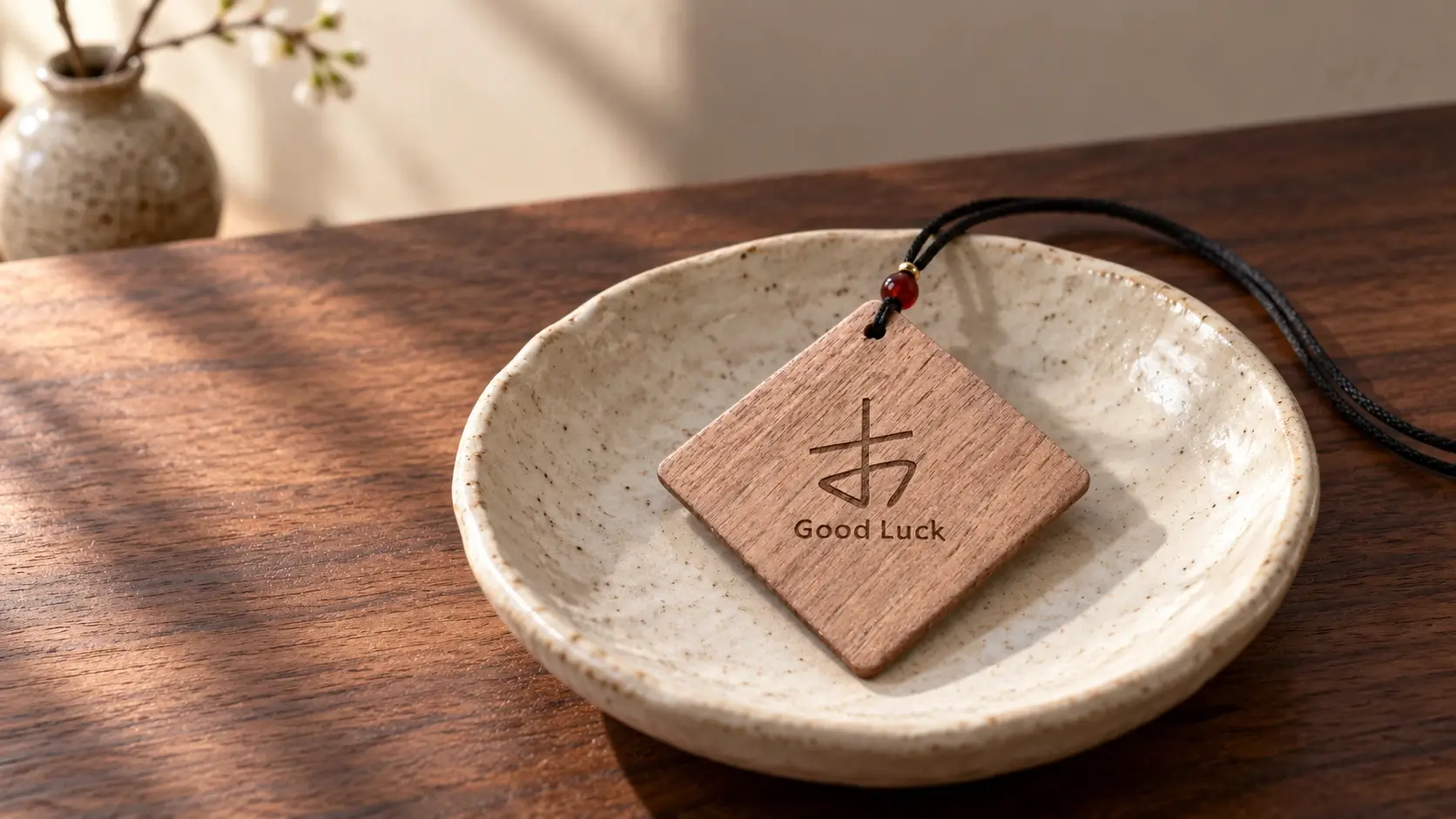
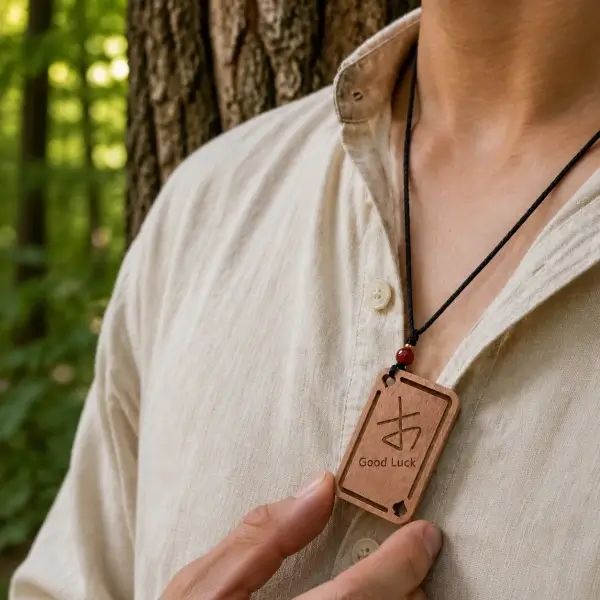
Modern wearers do not always follow a formal tradition. A pendant may mark recovery, a new chapter, or an intention such as “Stay Safe,” “With Love,” or “Good Luck.” This continues the human habit of giving wearable objects meaning while letting each wearer define it honestly.
Common Meanings in Spiritual Necklace Designs
Protection is one of the oldest themes. Eyes, hands, sacred figures, inscriptions, and animals have served as protection symbols in particular cultures. The Gemological Institute of America notes that good-luck charms used around the world have been associated with hope and a favorable future. Learn a symbol’s origin rather than treating a living tradition as a passing aesthetic.
Love and remembrance form another category. Such a piece may carry a name, date, short blessing, or meaningful shape, becoming a portable memory rather than a claim about invisible power.
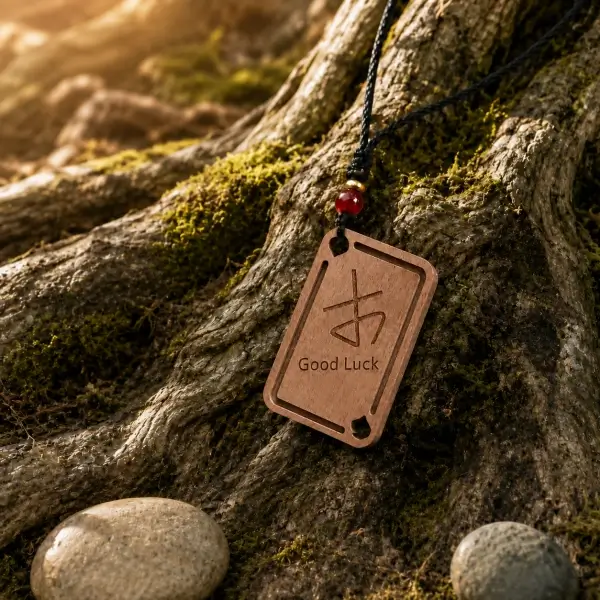
Nature-based designs often express growth, resilience, and renewal. Tree roots suggest stability while branches suggest movement; circles can represent continuity and wholeness. The individual grain of a wooden pendant reinforces the idea that change and imperfection belong to life.
Stars, paths, compass forms, and chosen words can suggest guidance. Ask not “Which symbol is strongest?” but “Which meaning do I genuinely want to carry?”
Why Material and Craftsmanship Matter
Material changes the physical and emotional tone of meaningful jewelry. Metal can feel enduring, stone offers color and geological character, and wood feels warm and connected to nature. None has one scientifically proven spiritual effect; significance comes from tradition, belief, and use.
Meaningful jewelry is often worn repeatedly, so craftsmanship matters. Check the finish, engraving, cord or chain, and material description. Natural variation should be explained rather than hidden; differences in wood grain and tone are normal.
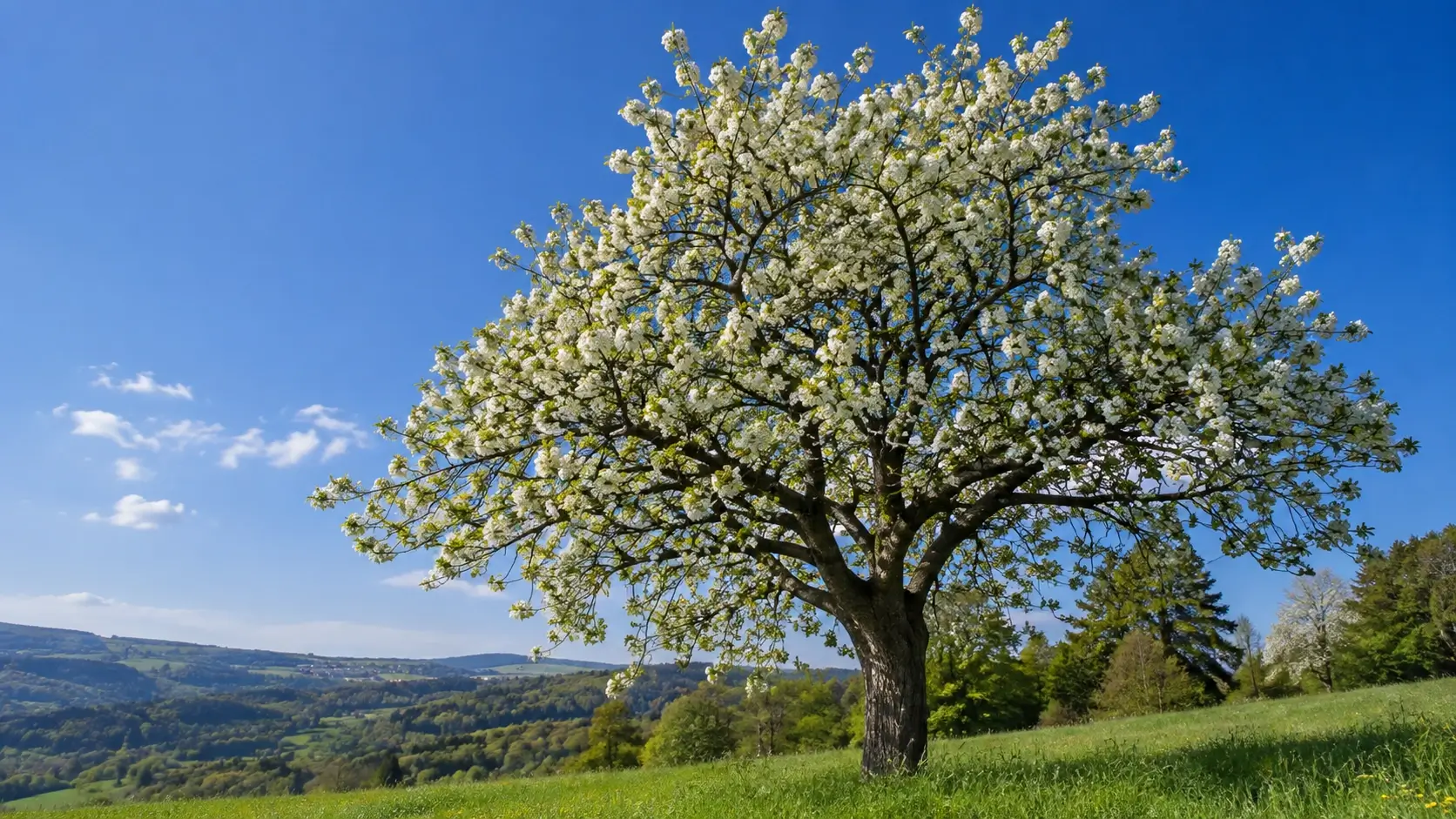
The Luckytata brand story adds a nature-centered ritual. Its standard wooden pendants are respectfully hung on centuries-old trees for weeks or months as symbols of patience, blessing, and connection with nature. The value is symbolic rather than medical: a reason to pause and remember the qualities represented by an old tree.
How to Choose a Spiritual Necklace With Intention
Start with meaning. Write down one quality you want the necklace to represent, such as courage, gratitude, protection, love, or steadiness. A clear intention filters out attractive but emotionally empty designs.
Understand the symbol next. If it belongs to a religious or cultural tradition, learn its origin and whether wearing it fits your relationship to that tradition. Otherwise, a simple shape, natural material, or custom inscription may feel more authentic.
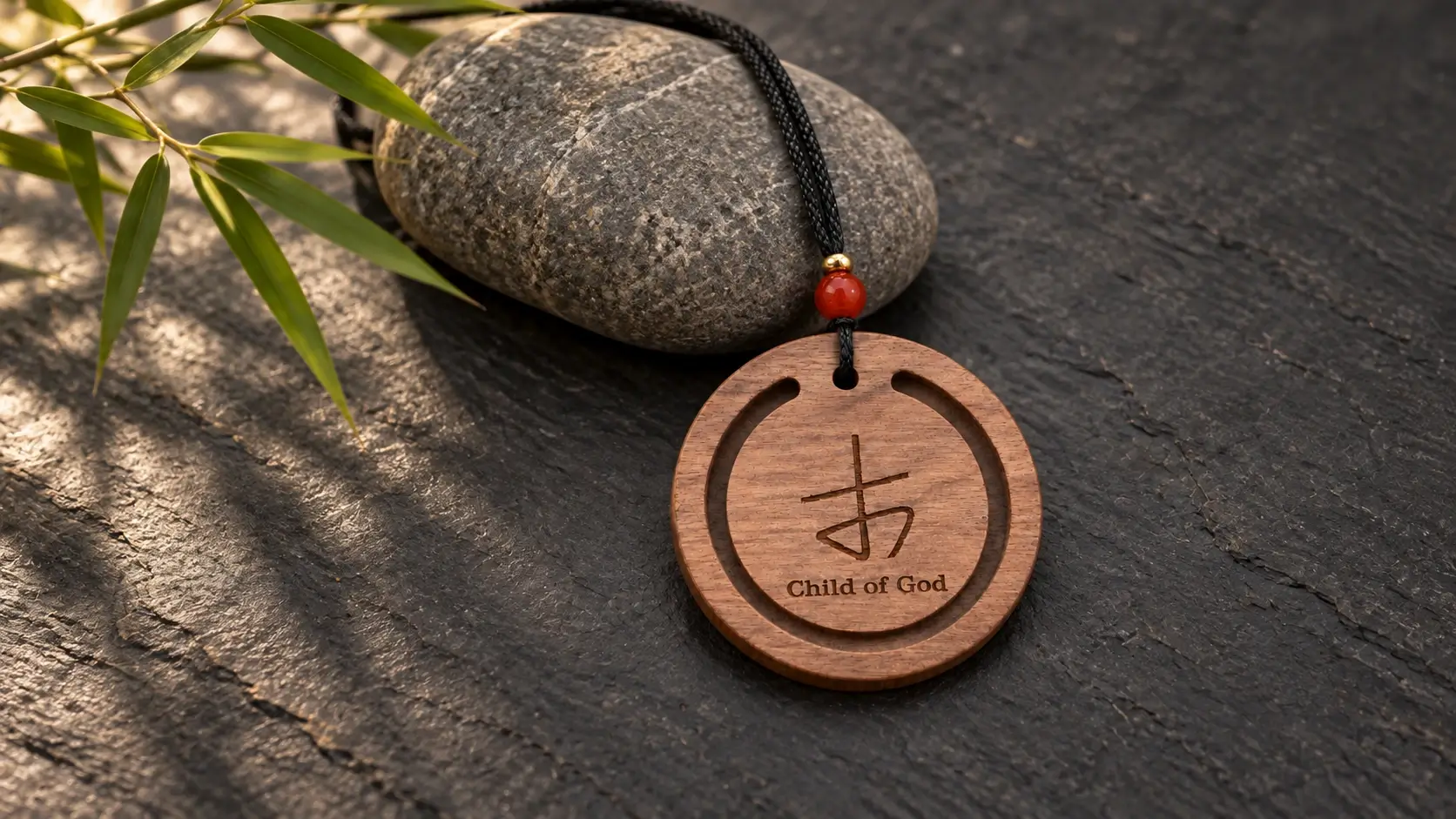
Consider daily wear. A spiritual necklace should suit your routine, preferred size, clothing, and sensitivity to weight or materials. Review the cord length, care instructions, and customization limits. The Luckytata Grooved Circle Pendant is a simple wooden option with standard blessing inscriptions or short custom text.
Finally, examine the maker’s explanation of materials, process, shipping, returns, and customization. Be cautious if a seller guarantees healing or protection from harm. Responsible makers can describe tradition without presenting belief as scientific certainty.
Transparency is especially important with nature-based jewelry. A pendant hung on or near an old tree is not necessarily made from that tree. The product description should distinguish the source material from the ritual or story surrounding it, identify any non-endangered wood used, and explain natural variations. That clarity protects both the living tree and the buyer’s trust. Meaning becomes stronger when the facts behind the piece are easy to understand.
Turning Meaning Into a Daily Practice
A spiritual necklace becomes more personal through repetition. Before putting it on, take one breath and recall what it represents. During stress, touch it as a cue to slow down. At night, place it somewhere intentional.
Pair the necklace with a short phrase, gratitude, prayer, or quiet reflection. Someone drawn to tree symbolism can try a gentle tree connection ritual and let the pendant recall it later. The object does not do the inner work; it helps you remember the work you chose.
Care is part of the practice. Keep the piece dry when required, avoid impact, and inspect its cord or chain. Respect reinforces meaning.
Giving a Necklace With Meaning
A symbolic necklace can mark a birthday, journey, graduation, recovery milestone, or new beginning. Choose a message connected to the recipient, and include a note explaining why its material, symbol, or inscription made you think of them.
When you do not know someone’s beliefs, themes such as love, safety, resilience, or nature may be more considerate than a specific sacred symbol. Confirm personalized spelling and check the return rules for custom items.
Choosing a Spiritual Necklace That Grows With You
The right spiritual necklace need not be dramatic. It should have a story you understand, a comfortable material, and meaning that remains honest after the first impression fades. The most lasting pieces connect inherited traditions with present-day intention.
Choose slowly, learn the design’s story, and decide what it will remind you to practice. Whether it represents protection, love, gratitude, or the steadiness of an ancient tree, a spiritual necklace gains meaning through the relationship you build with it. You can explore Luckytata wooden pendants and choose a form or inscription for the intention you want to carry.