Why Spiritual Jewelry Still Matters in Modern Life
Spiritual jewelry is worn not only for how it looks, but also for what it helps a person remember. A pendant may represent protection, gratitude, courage, love, faith, or a promise made during an important season. Whether its meaning comes from religion, family tradition, nature, or private intention, it can turn getting dressed into a quiet moment of reflection. Its value need not depend on proving a supernatural effect. For many wearers, the deeper value lies in story, symbol, ritual, and memory.
What Spiritual Jewelry Really Means
No single design or belief defines the category. It can include devotional symbols, amulets, talismans, prayer beads, engraved pendants, memorial pieces, and nature-inspired designs. Some belong to established religious or cultural traditions. Others become meaningful through a person, place, goal, or turning point.
That difference matters. A sacred symbol carries a history that deserves respect, while a circle, piece of wood, or engraved phrase may hold a meaning understood only by its owner. This form of adornment is best understood as wearable meaning: appearance matters, but context makes it more than decoration.
The Long History Behind Spiritual Jewelry
People have used adornment to communicate identity and belief for thousands of years. The Victoria and Albert Museum’s history of jewellery explains that ancient pieces made from shells, stone, and bone were likely worn for protection as well as status. In medieval Europe, inscriptions and particular stones were also linked to protective beliefs. Jewelry has long occupied a space between beauty, identity, and the unseen meanings people give to objects.
The Metropolitan Museum of Art offers a clear example in its overview of ancient Egyptian amulets. Their perceived power could depend on form, image, inscription, color, material, and ritual action. Many were designed to be worn close to the body. Such historical beliefs are not scientific evidence, but they show how every detail could participate in a larger story.
How Meaning Is Built Through Form, Material, and Words
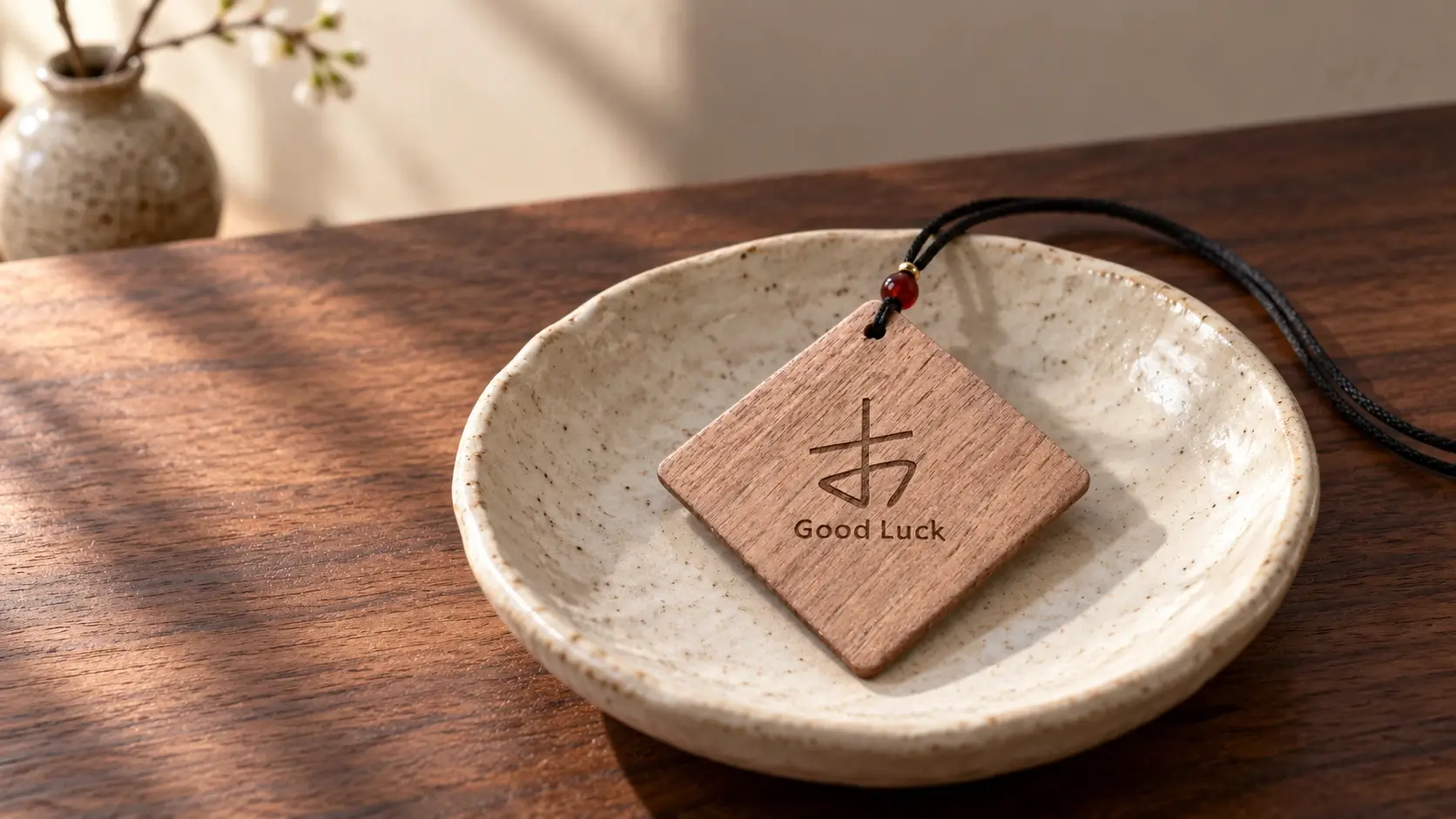
A meaningful piece rarely depends on one feature alone. A circle may suggest continuity, a leaf renewal, and a shield-like form safety. Material adds another layer: wood can evoke warmth, growth, and earth, while metal may suggest permanence or strength. An inscription makes the intention specific. “Stay Safe,” “With Love,” or “Good Luck” can transform a broad symbol into a personal message.
This layering also appears in culturally specific jewelry. The Smithsonian’s description of the Afro-Brazilian Penca de Balangandã shows how chosen charms, varied materials, identity, spiritual protection, and economic value could coexist in one object. The lesson is not that all symbols are interchangeable. Meaning grows deeper when symbols are understood in context.
Why Natural Symbols Still Feel Relevant
Nature gives people a visual language for experiences that are difficult to express directly. The Gemological Institute of America’s history of leaf motifs in jewelry describes associations with growth, hope, renewal, seasonal change, and the cycle of life. Meanings vary across cultures, yet a leaf remains an accessible image of change.
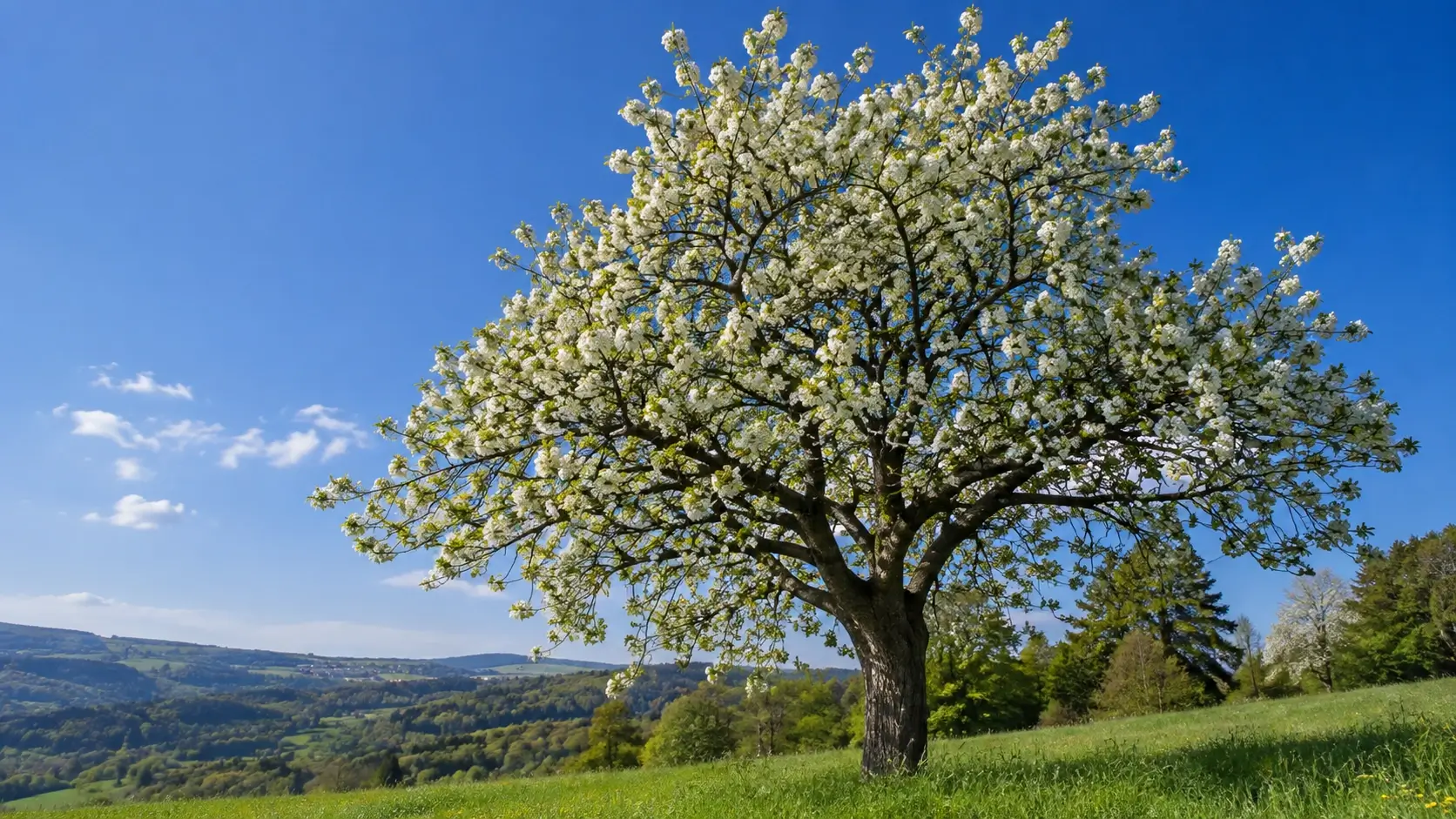
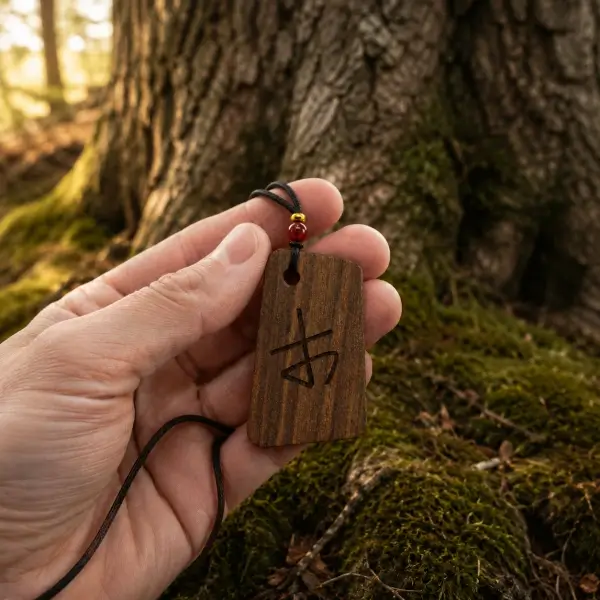
Trees can represent patience, roots, endurance, shelter, and gradual growth. A wood pendant brings that symbolism into a warm, tactile object whose grain is naturally individual. In the story behind Luckytata’s wooden pendants, each piece is hung on a centuries-old tree for weeks or months as part of the brand’s blessing tradition. The practice expresses a symbolic connection among nature, time, and intention, not a guaranteed outcome.
From Belief to a Daily Reminder
One reason these pieces remain relevant is that they travel with the wearer. The Gemological Institute of America’s article on good luck charms notes that they have appeared across places and periods and reminded wearers of hope, confidence, and a brighter future. That reminder offers a grounded way to understand their modern appeal.
A necklace cannot control events, but it can become a cue. Touching a pendant before a difficult conversation may prompt calm speech. Fastening it in the morning may recall a loved one’s encouragement. An engraved phrase may return attention to a chosen value. The object supports an intention by making it visible and repeatable.
How to Choose Spiritual Jewelry With Care
Choosing spiritual jewelry begins with meaning rather than trend. Ask what the piece should represent. Protection, love, resilience, remembrance, and new beginnings lead toward different symbols and words. A clear intention makes the choice personal.
Learn where a symbol comes from. If it belongs to a living faith or community, understand its context and use it respectfully. Not every attractive motif should be separated from the people who preserved its meaning.
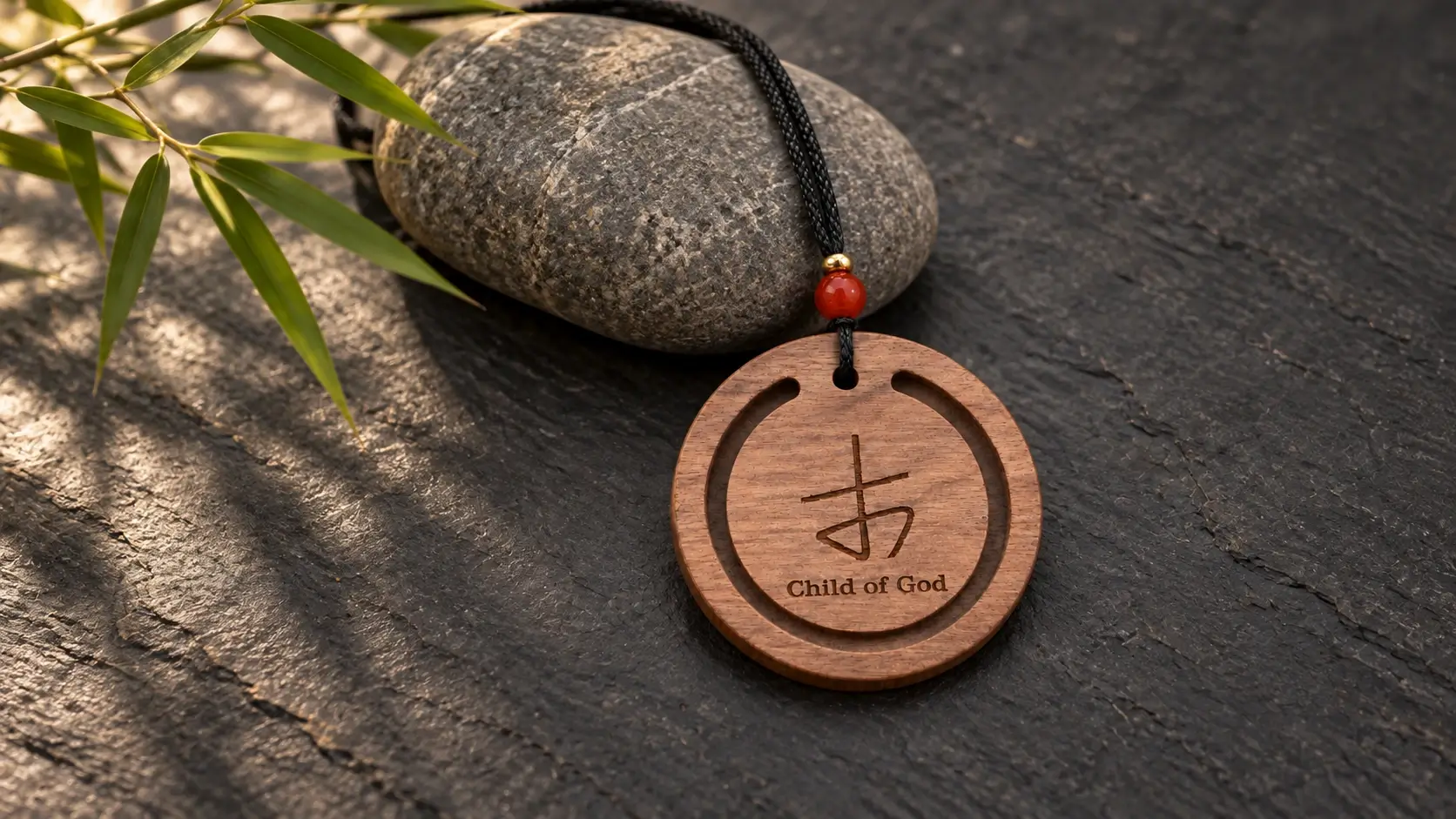
Consider material and construction. A frequently worn piece should feel comfortable and come with clear material information. Claims about sourcing and craftsmanship should be specific. A simple design such as the Grooved Circle Pendant leaves room for wood grain, shape, and inscription to carry the story without visual excess.
Finally, look for honest language. A responsible description may discuss tradition, inspiration, symbolism, or intention. It should not guarantee healing, protection, wealth, or another result jewelry cannot objectively promise. Clarity allows personal interpretation to remain genuine.
Also consider whether the piece will remain meaningful beyond the day it arrives. The best spiritual jewelry gathers significance as the wearer adds memories, marks milestones, or eventually passes it to someone else. That longevity can turn a small object into part of a personal history rather than a temporary accessory.
Create a Personal Ritual Without Forcing Belief
Spiritual jewelry becomes more personal through use. A ritual can be as simple as pausing before putting on a necklace, taking one slow breath, and naming the quality to carry into the day. Someone seeking steadiness might think, “Stay rooted.” A giver might include a note explaining the wish behind the pendant.
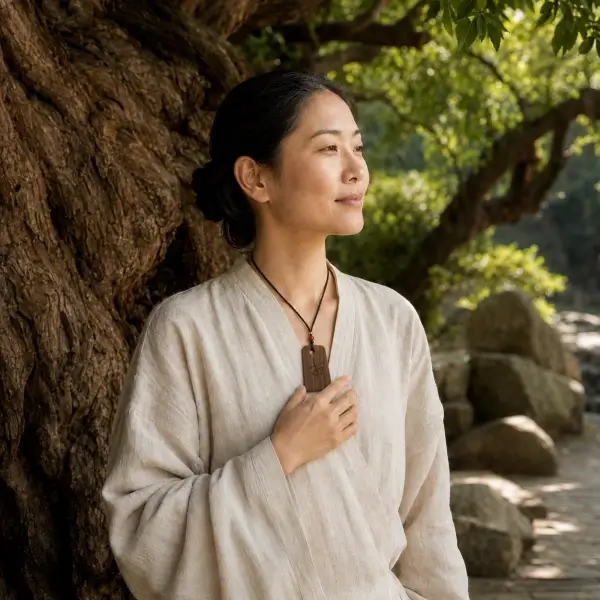
Nature-inspired pieces can connect with a quiet outdoor practice. Luckytata’s tree connection ritual uses breathing, attention, gratitude, and reflection near a tree. Its purpose is not to force belief, but to connect the object with a remembered experience. Repetition can strengthen that association.
Why Spiritual Jewelry Can Remain Meaningful
The lasting appeal of spiritual jewelry comes from its ability to hold beauty, history, identity, intention, and memory at once. Its meaning may be religious, cultural, or quietly personal. Thoughtful pieces neither demand one interpretation nor promise impossible results. They invite the wearer to remember what matters.
Chosen with knowledge and worn with intention, spiritual jewelry can become a steady companion through life’s changing seasons. It does not need to decide the future. Its purpose may be simpler and more human: keeping a meaningful story close.