What Norway Teaches the World
Forests are more than landscapes filled with trees. They are living systems that hold soil together, clean the air, store carbon, shelter wildlife, and give human beings a deeper sense of connection with the natural world. Yet in many parts of the world, forests have been damaged by overuse, short-term extraction, agriculture, urban expansion, and poor land management. The good news is that forests can return when people combine patience, science, law, and collective action.
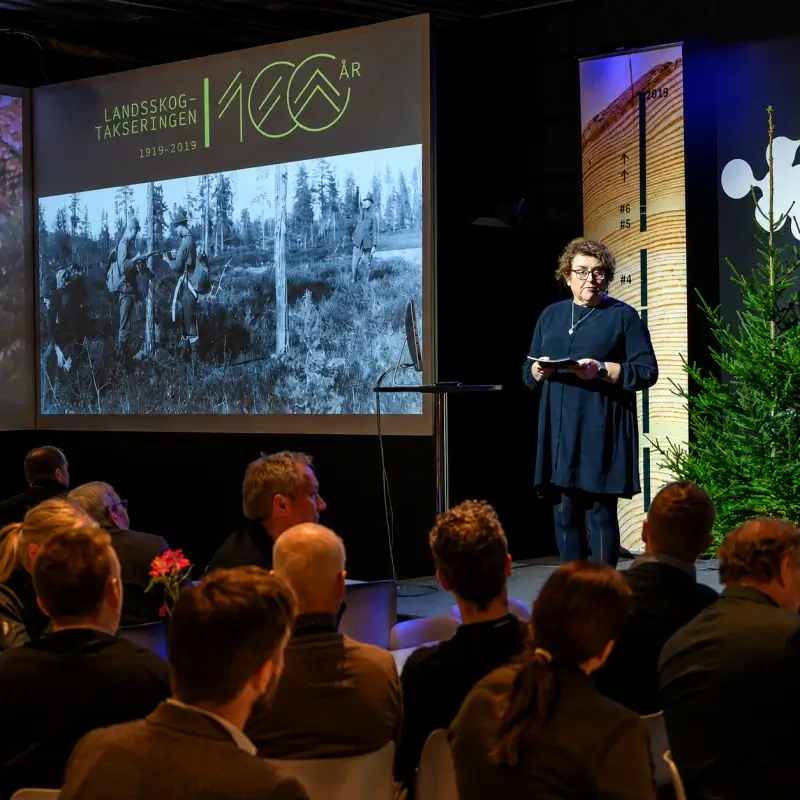
One of the most powerful examples comes from Norway. A century ago, Norway’s forests were in a very different condition. After centuries of deforestation and exploitation, many large forest areas had been heavily depleted. In 1919, the country began mapping its forest resources through what became the Norwegian National Forest Inventory, one of the oldest and most detailed forest monitoring systems in the world. That decision changed the future of Norway’s forests. Instead of guessing, the country began to manage its forests based on data, long-term observation, and national responsibility.
Over the past 100 years, Norway’s forest volume has grown dramatically. According to NIBIO, standing timber in Norway was around 300 million cubic meters in 1920. Today, the volume has surpassed one billion cubic meters. This is not simply a story of trees growing by chance. It is the result of systematic forest administration, careful monitoring, replanting, and the principle that harvesting should not exceed long-term forest growth.
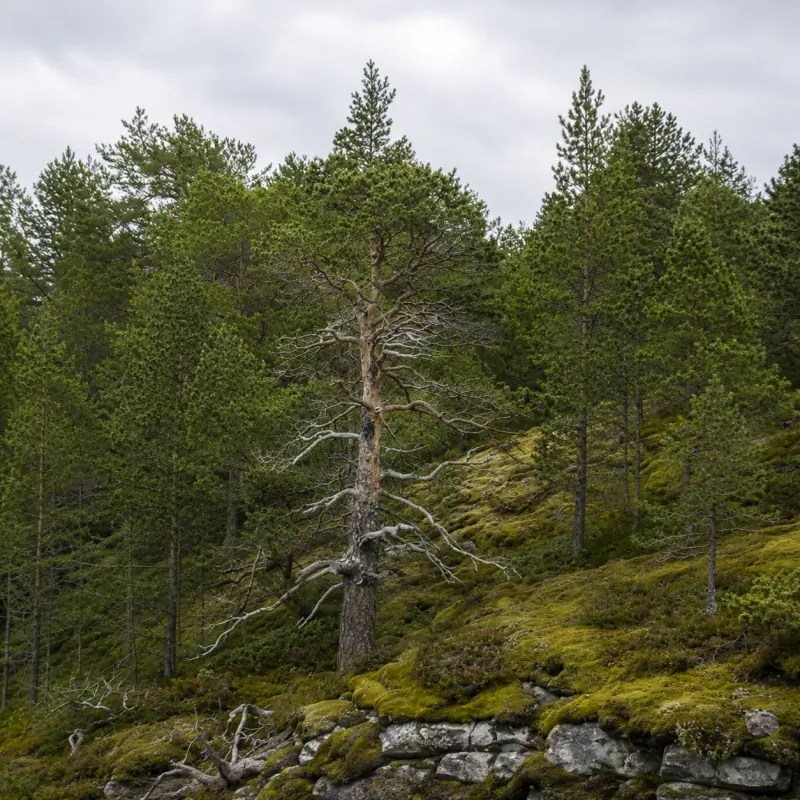
Norway’s experience shows that forest restoration is not a single event. It is a continuous relationship between people and land. Every forest needs time. Every decision, from harvesting to planting, affects what the landscape will look like decades later. That is why Norway’s approach is so important: it treats forests as long-term national assets, not short-term resources to be exhausted.
Law has played an important role in this transformation. Norway’s Forestry Act promotes sustainable management of forest resources while also protecting biological diversity, landscape values, outdoor recreation, and cultural values connected with forests. The law also requires forest owners to ensure satisfactory regeneration after felling, with necessary measures normally initiated within three years. This legal foundation turns restoration from a voluntary idea into a long-term responsibility.
Science is the second pillar of Norway’s success. The National Forest Inventory does not only count trees. It provides information about forest area, growing stock, annual increment, age distribution, land type, and tree species. These statistics allow policymakers, researchers, and forest owners to understand what is happening in real time and adjust their decisions.
Today, Norway’s forest story is still evolving. While the total volume of timber is higher than ever, recent analyses show that in some regions, harvesting and natural tree mortality now exceed annual growth. This does not erase Norway’s achievements, but it reminds us that restoration is never finished. A forest can recover, but it still needs careful management, updated science, and honest attention to new climate and economic pressures.
The lessons from Norway are now becoming part of a wider global movement. Around the world, communities, scientists, governments, and citizens are working to restore damaged ecosystems. The UN Decade on Ecosystem Restoration, running from 2021 to 2030, calls on people to prevent, halt, and reverse ecosystem degradation across continents and oceans. Its message is simple: everyone can play a role in bringing nature back.
At the same time, global tree-planting efforts must be handled carefully. Planting trees is inspiring, but restoration is more than putting seedlings into the ground. The UN Decade’s guidance emphasizes that tree planting should address the root causes of forest loss, protect existing forests, and use native tree species where possible. Trees are most likely to thrive in places where they naturally belong, and native species usually support more biodiversity than exotic species.
This is an important distinction. A real forest is not just a collection of trunks. It is a web of roots, fungi, insects, birds, animals, moisture, shade, soil, and time. A restored forest should not only look green; it should become alive again. That means choosing the right species, respecting local ecosystems, involving local people, and monitoring the results for years.
The phrase “Planting the Future” captures this spirit well. On the United Nations SDG Action platform, a Czech initiative called “Planting The Future” set out to plant 10 million trees by 2025, involving local governments, NGOs, businesses, and individuals. The initiative focused on climate adaptation, landscape resilience, and broad public participation.
This kind of action matters because restoration cannot be achieved only by governments or scientists. It needs ordinary people too. Citizens can support native tree planting, protect old trees, join local restoration projects, reduce unnecessary consumption, and choose products and brands that respect nature. A single tree may look small, but millions of thoughtful actions can change the future of a landscape.
Norway teaches us that forests can return when a society chooses patience over speed and responsibility over extraction. Global restoration movements teach us that this responsibility no longer belongs to one country alone. It belongs to all of us.
The future of forests will not be built by slogans. It will be built by law, science, local knowledge, native trees, and long-term care. When people plant wisely, protect what already exists, and allow nature enough time to heal, damaged ecosystems can become living forests again. In that sense, forest restoration is not only about repairing the land. It is about restoring our relationship with the planet we share.